The Eternal Appeal: Crafting a Sanctuary with Neutral Bathroom Decor

In the evolving landscape of home design, few spaces require tranquility and timelessness more than the bathroom. While vibrant colors cycle in and out of trend, the use of neutral palettes—ranging from soothing bone whites and warm taupes to sophisticated charcoal grays—remains the gold standard for creating a peaceful, enduring sanctuary.
A neutral bathroom is anything but boring. It acts as a blank canvas, maximizing perceived space and natural light while providing a perfect backdrop for layered textures and metallic accents. Designers and homeowners alike are increasingly turning to this palette not just for aesthetic calm, but as a strategic investment; neutral spaces boast significantly higher appeal and resale value.
Moving beyond the simple ‘white bathroom,’ modern neutral design employs subtle shifts in tone and deep consideration of material finishes to achieve profound depth and sophistication. This comprehensive guide explores the best decoration ideas to transform your washroom into a serene, designer-grade retreat using the power of neutrality.
The Psychology of the Neutral Palette
Neutral colors inherently promote relaxation and order. By minimizing visual clutter and overwhelming hues, they reduce cognitive load, making the space feel instantly calming. This psychological benefit is paramount in a bathroom, a place intended for unwinding and self-care. Furthermore, neutrals are highly versatile, allowing seasonal changes or accessory updates without necessitating a major overhaul.

Mastering the Subtle Shades: Defining Modern Neutrals
The term “neutral” encompasses far more than beige and white. Contemporary design relies on complex, muted colors that change subtly depending on the light:
- Greige: The perfect marriage of gray and beige, greige offers warmth without feeling dated. It’s ideal for walls and large cabinetry.
- Bone White and Cream: These warm whites avoid the sterile feeling of stark white, reflecting light beautifully and creating a soft, welcoming atmosphere.
- Cool Gray: From pale silver to deep slate, cool grays work exceptionally well when paired with cool-toned metals like polished chrome or nickel.
- Warm Taupe: A richer, darker neutral that introduces an earthy depth, often used on vanity bases or floor tiles to ground the space.
Textural Depth: The Key to Avoiding Flatness
The cardinal rule of decorating with neutrals is to compensate for the lack of color variation with an abundance of texture. Without texture, a neutral room can appear flat or sterile. Texture brings visual interest and sensory complexity, elevating the design from simple to sophisticated.
Material Play for Visual Interest:
Consider incorporating the following materials to build layers:
Matte vs. Glossy Tiles: Mixing matte finish subway tiles on the walls with glossy hexagonal floor tiles creates a dynamic interplay that catches the light differently. A popular trend involves large-format porcelain tiles that mimic the texture of natural stone like limestone or concrete, offering high impact with low maintenance.

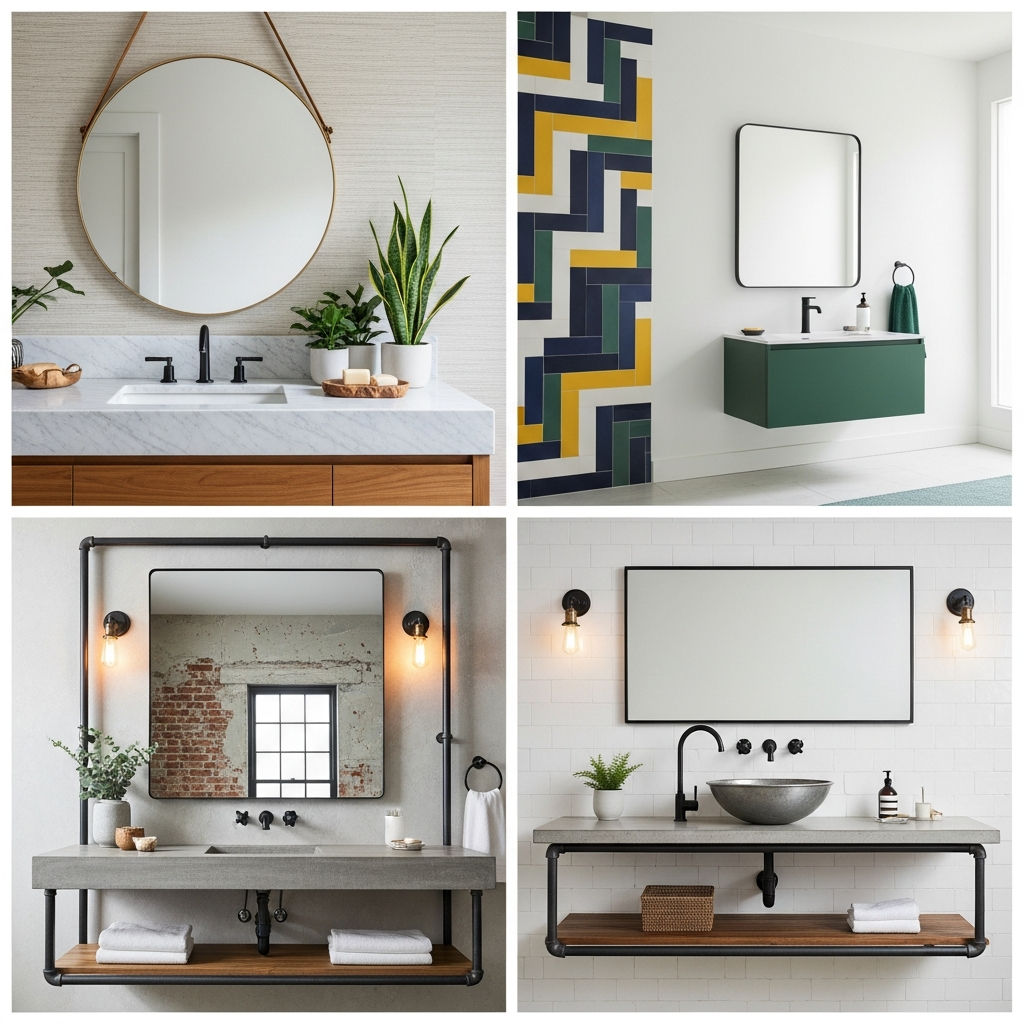
Incorporating Natural Wood: Even in a moisture-prone area, strategically placed wood brings unparalleled warmth. Consider a floating white oak vanity, bamboo shelving, or shiplap wall accents (painted in a pale neutral) to introduce an organic, tactile element.
Soft Furnishings: Though often overlooked, textiles are vital. Use thick, ribbed cotton towels, a woven jute bath mat, or even a sheer linen shower curtain. These fibers soften the hard lines typically found in a bathroom and contribute to a feeling of spa-like luxury.
Fixtures and Finishes: The Metallic Accent
In a neutral bathroom, hardware and fixtures serve as jewelry, providing necessary contrast and focal points. The choice of finish can instantly steer the aesthetic—from rustic farmhouse to sleek modern minimalist.
- Matte Black: A bold, modern choice. Matte black faucets, shower frames, and cabinet pulls stand out dramatically against light gray or white tile, offering a crisp, contemporary contrast.
- Brushed Gold or Brass: Perfect for injecting warmth and luxury. Brushed finishes are currently favored over high-gloss brass, offering a softer, more subdued glamour, particularly effective against warm taupe or cream walls.
- Polished Nickel or Chrome: The classic, timeless choice. These cooler metals enhance the brightness of white and gray palettes, offering a clean, traditional look that never fails.
Strategic Storage and Clutter Control
Neutral aesthetics thrive on minimalism. Visual clutter is the quickest way to undermine the intended sense of calm. Thoughtful storage solutions are not just practical; they are integral to the design.
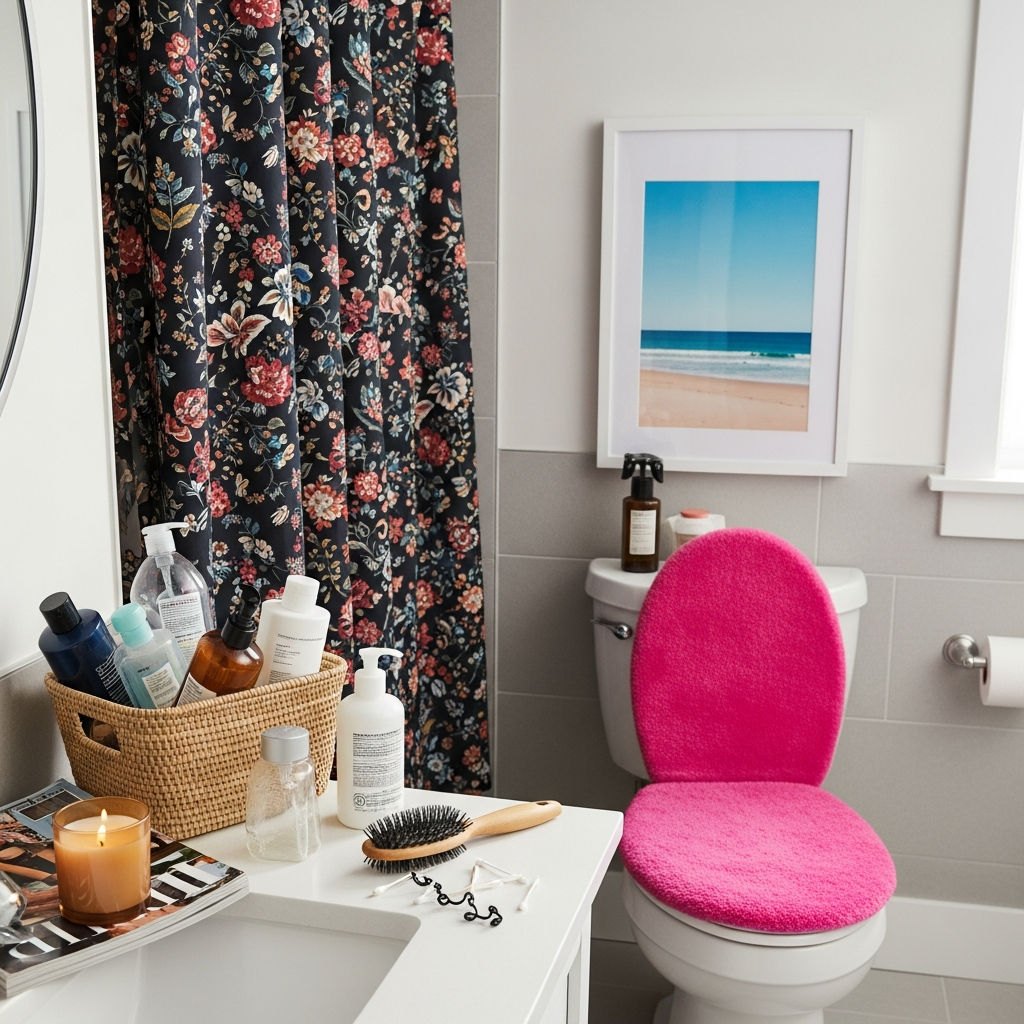
Invest in closed cabinetry with clean lines. Floating vanities are excellent choices, as they increase the visible floor space, making the room feel larger. For open storage, rely on decorative, uniform baskets (e.g., woven rattan or felt) to hide toiletries, maintaining the seamless neutral flow.
Illuminating the Calm: Layered Lighting Design
The impact of neutral colors is highly dependent on light. Poor lighting can make whites look dingy or grays look muddy. Effective design requires three layers of lighting:
- Ambient Light: General overhead light, often provided by recessed ceiling fixtures or a statement semi-flush mount fixture.
- Task Light: Essential lighting for grooming. Install sconces or LED strips flanking the mirror (not above), ensuring the light source minimizes shadows on the face.
- Accent Light: Used to highlight architectural features or textures, such as LED strips subtly illuminating the niche in the shower or toe-kick lighting beneath a floating vanity.
Opt for bulbs in the 2700K to 3000K range (warm white) to enhance the welcoming feel of your neutral tones.
Injecting Personality with Organic Elements
While the overall backdrop is neutral, the space needs life. Accessories should be minimal, curated, and intentionally organic to maintain the serene atmosphere.
Greenery: A small potted snake plant or a humidity-loving fern introduces the one non-neutral color—green—which naturally complements any earth-toned palette. Greenery instantly softens hard surfaces.
Stone Accents: Displaying decorative items made of marble, granite, or river stones adds a grounding, natural texture. A simple marble tray on the counter or natural pebble floor in the shower are excellent choices.
Art: Choose abstract or nature-inspired artwork in muted tones (charcoal sketches, sepia photography) that harmonize with your core palette rather than clashing with a burst of color.
Conclusion: Enduring Style and Sophistication
Decorating a bathroom with neutral colors is a choice for enduring sophistication over fleeting trends. By strategically blending varied tones of white, gray, and taupe, and emphasizing texture through natural materials, you can create a bathroom that feels both expansive and deeply comforting.
The ultimate goal is a space that acts as a true retreat—a balanced environment where the materials speak louder than the colors. This meticulous attention to detail ensures your neutral bathroom maintains its elegance and calming presence for years to come.
Embrace the subtlety of the neutral palette, and enjoy the timeless tranquility it brings to your daily routine.