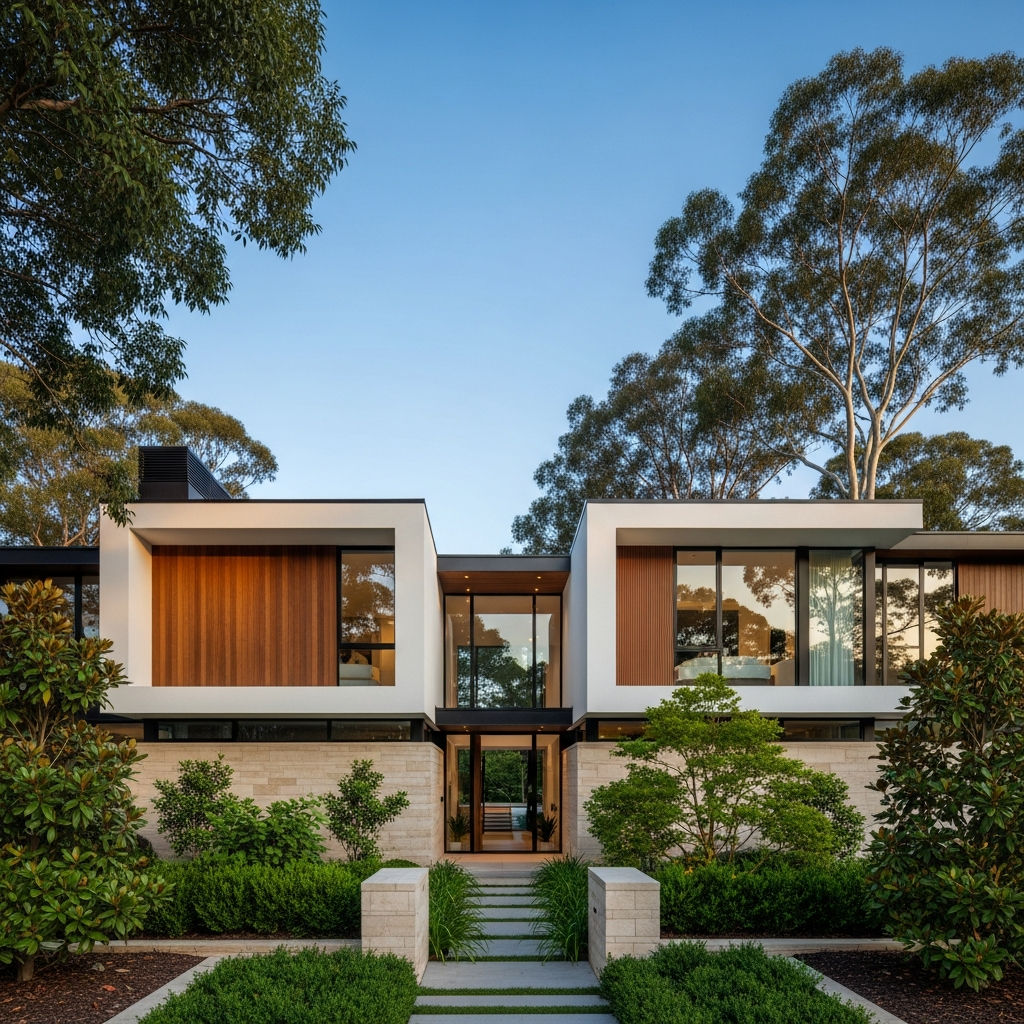
The concept of ‘home’ is rapidly evolving. Driven by necessity, technological innovation, and a collective desire for healthier living environments, modern house design is shedding decades-old paradigms. We are moving beyond simple aesthetics to embrace holistic design principles where energy efficiency, technological integration, and occupant well-being are non-negotiable foundations. This shift is not just a trend; it’s a fundamental restructuring of how we build, inhabit, and interact with our dwellings.
The Rise of Sustainable Architecture: Building for a Better Planet
Sustainability has transitioned from a niche concern to the central pillar of contemporary house design. Homeowners and architects alike are seeking solutions that minimize environmental impact, reduce energy consumption, and utilize responsibly sourced materials. This focus defines the current generation of residential construction, prioritizing longevity and ecological responsibility.
Achieving Net-Zero: The Ultimate Energy Goal
The pursuit of Net-Zero Energy Buildings (NZEBs) represents the pinnacle of sustainable house design. An NZEB produces as much renewable energy on an annual basis as it consumes. This is achieved through a combination of stringent design measures and on-site energy generation. Key components include:
Advanced Thermal Envelope Design
A well-designed thermal envelope (walls, roof, windows, and foundation) is crucial. High-performance insulation, air-sealing techniques, and triple-pane windows dramatically reduce heating and cooling loads. Architects are increasingly employing passive house principles, focusing on maximizing natural daylight and minimizing air leakage to maintain stable indoor temperatures with minimal mechanical intervention.
Renewable Energy Integration
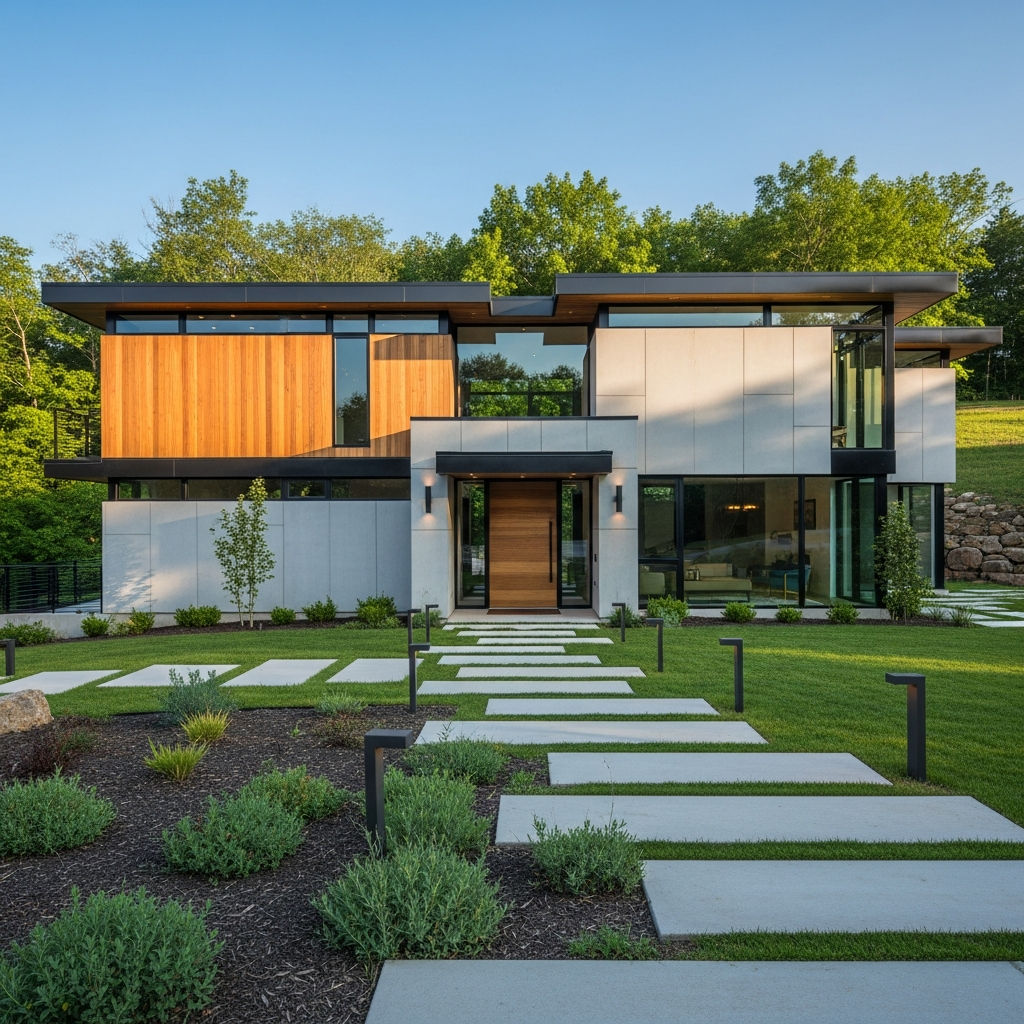
Solar Photovoltaic (PV) panels remain the primary tool for on-site energy generation. However, innovation extends to solar roof tiles that blend seamlessly with the aesthetic, and integrated battery storage systems (like lithium-ion packs) that allow homeowners to store excess daytime energy for evening use or provide resilience during grid outages. Modern design often incorporates these systems discreetly, ensuring functionality does not compromise architectural beauty.
Materials Revolution: Beyond Conventional Construction
The materials used in house design are undergoing a significant transformation. Traditional, resource-intensive materials are being replaced by high-performance, low-carbon alternatives:
Mass Timber and Cross-Laminated Timber (CLT)
Mass timber structures, particularly CLT, are gaining popularity for their strength, speed of assembly, and lower embodied carbon footprint compared to steel and concrete. They also offer a warm, natural aesthetic that appeals to modern sensibilities.
Recycled and Upcycled Materials
Designers are integrating materials salvaged from demolition sites or industrial waste streams—such as recycled steel, reclaimed wood flooring, and recycled glass countertops—to minimize waste and add unique character to homes.
The Intelligent Home: Seamless Integration of Technology
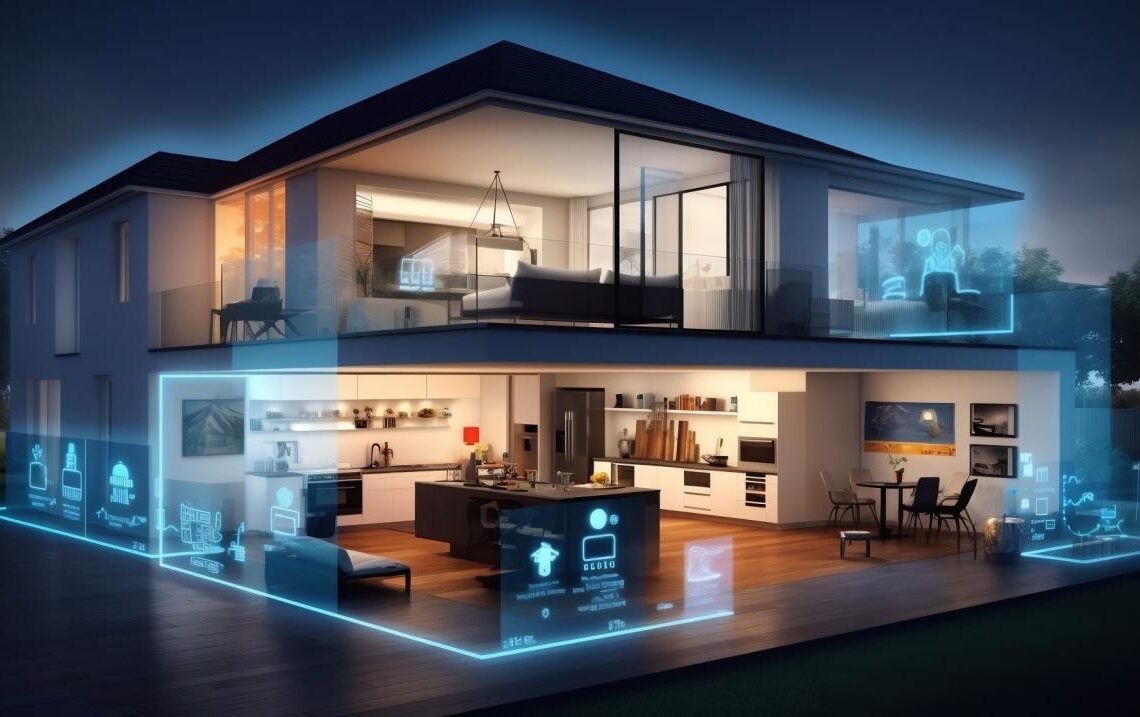
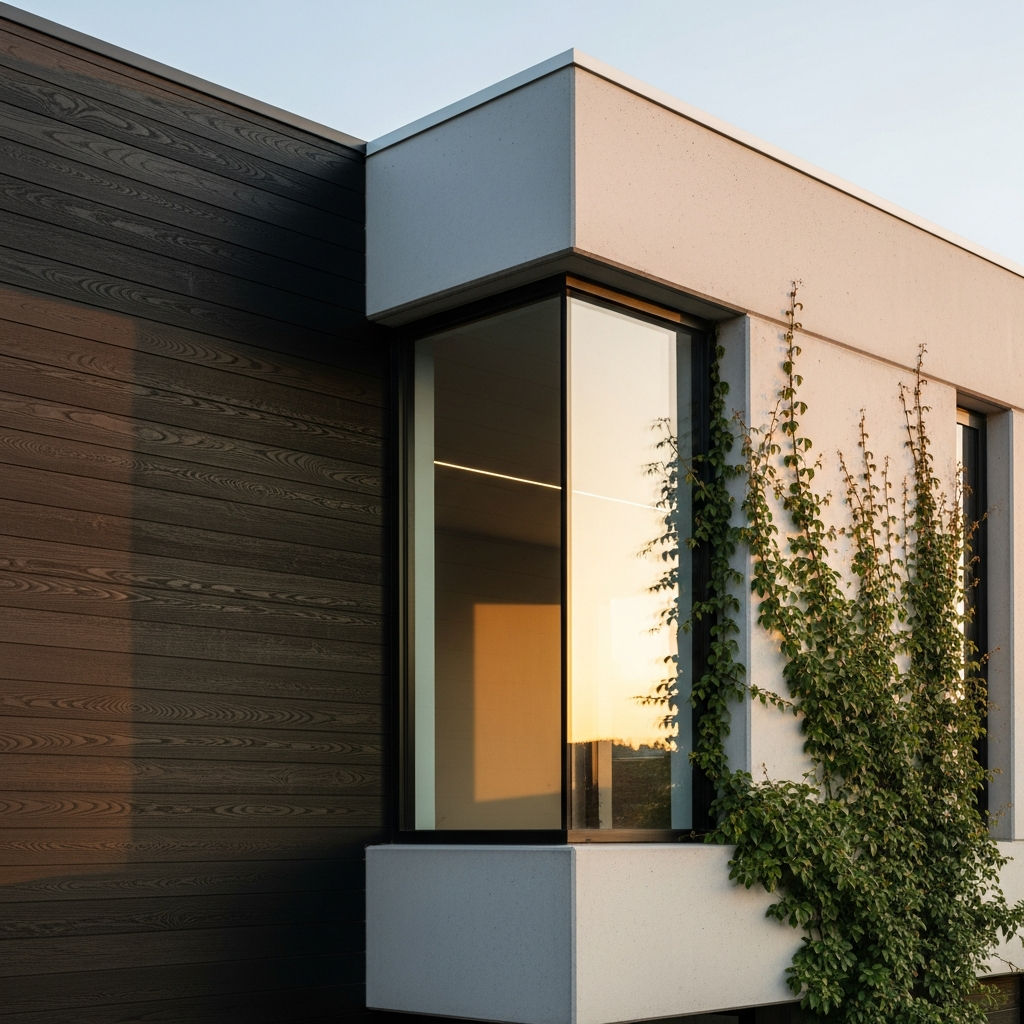
Smart home technology is no longer limited to automated lighting. It is now woven into the fabric of the house design, enhancing security, managing energy, and improving daily life with sophisticated, predictive capabilities.
AI-Driven Home Management Systems
The next generation of home automation is powered by Artificial Intelligence (AI). These systems learn occupants’ habits, predict needs, and autonomously manage the home’s environment. For example, an AI thermostat can optimize HVAC performance based on real-time weather forecasts, grid energy prices, and the occupancy schedule, leading to significant energy savings without manual adjustment.
Integrated Security and Access Control
Modern homes feature biometric access systems and intelligent surveillance that integrate deeply with the architecture. Door locks, garage access, and security cameras are managed via a single platform, often incorporating advanced features like facial recognition and remote monitoring capabilities.
The Home Office Evolution
The rise of remote work has cemented the home office as a permanent fixture. Contemporary house design addresses this need by creating dedicated, acoustically isolated workspaces that receive ample natural light and are equipped with robust connectivity infrastructure. Flex spaces, which can transform from guest rooms to video conferencing studios, are a design priority.
Biophilic Design: Connecting Homes with Nature
In response to increasing urbanization and screen time, Biophilic Design—the practice of incorporating nature and natural elements into the built environment—is essential for promoting occupant health and well-being. This philosophy profoundly influences interior and exterior house design.
Maximizing Natural Light and Airflow
Design emphasizes large windows, skylights, and strategic placement to flood interiors with daylight, reducing reliance on artificial illumination. Operable windows and thoughtful spatial planning maximize cross-ventilation, ensuring excellent indoor air quality—a critical component of a healthy home.
Indoor-Outdoor Living Spaces
The boundary between the house and the garden is dissolving. Large sliding glass walls, covered patios, and outdoor kitchens extend living spaces into the landscape. Courtyards and strategically placed vertical gardens bring greenery and tranquility deep into the home’s core, offering sensory richness.
Materiality and Texture
Biophilic principles guide the selection of interior finishes, favoring natural textures, patterns, and organic shapes. Materials like natural wood, stone, exposed concrete, and linen fabrics are chosen for their grounding qualities and ability to mimic nature’s complexity, creating restful and stimulating environments.
The Future of Housing Production: Modular and Prefabricated Design
The constraints of traditional construction—time, cost, and waste—are driving innovation in how homes are built. Modular and prefabricated construction offers precision, speed, and affordability, proving that beautiful, high-quality design can be factory-built.
Quality Control and Efficiency
By moving construction into controlled factory environments, builders mitigate weather delays, ensure consistent quality, and reduce material waste. This approach enables the rapid deployment of complex, highly efficient designs that might be cost-prohibitive with traditional stick-building.
Customization in Prefabrication
Modern prefab homes are highly customizable. Unlike the uniform structures of decades past, today’s modular builders offer extensive design flexibility, allowing architects to create unique floor plans, choose sophisticated finishes, and incorporate complex sustainable features, thus blending the efficiency of factory production with the individuality of bespoke architecture.
Conclusion: A Human-Centric Approach to House Design
The evolution of house design points towards a singular conclusion: the modern home must be a high-performance machine optimized for human life and environmental stewardship. The integration of sustainable materials, sophisticated technology, and biophilic principles ensures that our dwellings are not merely shelters but active partners in promoting energy independence, ecological balance, and the ultimate health and happiness of their occupants. The future of house design is intelligent, responsible, and fundamentally human-centric.