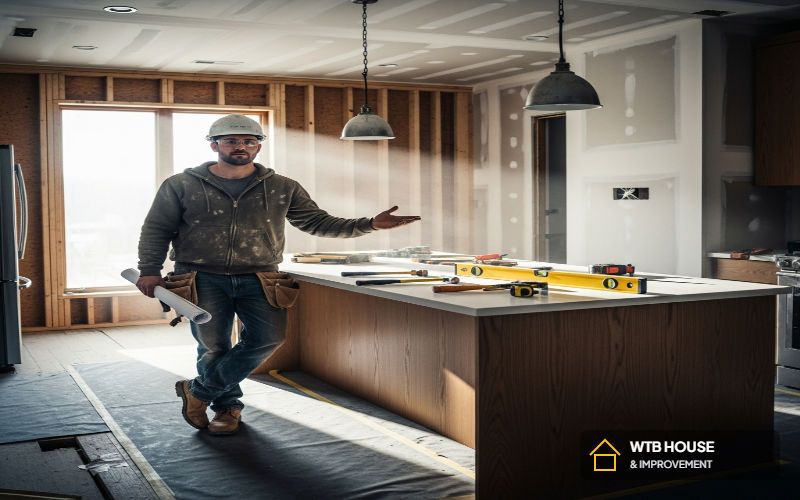
Home improvement is far more than just a weekend hobby; it is a strategic investment in your financial future, quality of life, and the longevity of your property. Whether you are prepping your house for sale, looking to maximize energy efficiency, or simply hoping to tailor your living space to meet evolving family needs, navigating the world of home renovation requires careful planning and execution. This comprehensive guide provides an in-depth look at successful home improvement strategies, covering everything from smart budgeting and high-ROI projects to essential maintenance and finding the right professionals.
Phase 1: Strategic Planning and Budgeting
Before the first wall is demolished or the first can of paint is opened, the most critical phase of any home improvement project is the planning stage. A lack of clear goals and a realistic budget are the primary causes of project failure and cost overruns.
Defining Your Home Improvement Goals
The first step is distinguishing between renovations driven by necessity (like a leaky roof or outdated wiring) and those driven by desire (like a gourmet kitchen or a dedicated home theater). Projects focused on addressing structural issues or mandatory maintenance should always take precedence. If your goal is to increase home value for resale, focus on universal appeal and areas that statistically offer the highest return on investment (ROI). Conversely, if you plan to stay in the home for decades, focus on personalized upgrades that enhance your daily enjoyment and functionality, such as accessibility features or custom storage solutions.
Mastering the Home Improvement Budget
Creating a detailed budget requires accounting for materials, labor, permits, and contingency costs. It is standard industry practice to allocate an extra 10% to 20% of the total project cost specifically for unexpected issues. This buffer is crucial, especially in older homes where opening up walls often reveals hidden plumbing, electrical, or structural surprises. Always obtain at least three detailed quotes from different contractors and compare apples to apples—ensure the bids include the same quality of materials and scope of work.
Phase 2: High-ROI Home Improvements (What Sells?)
For homeowners focused on maximizing their return, certain projects consistently outperform others. These are the areas that potential buyers scrutinize immediately and are generally considered the most influential factors in pricing.
Kitchen and Bathroom: The King and Queen of Resale
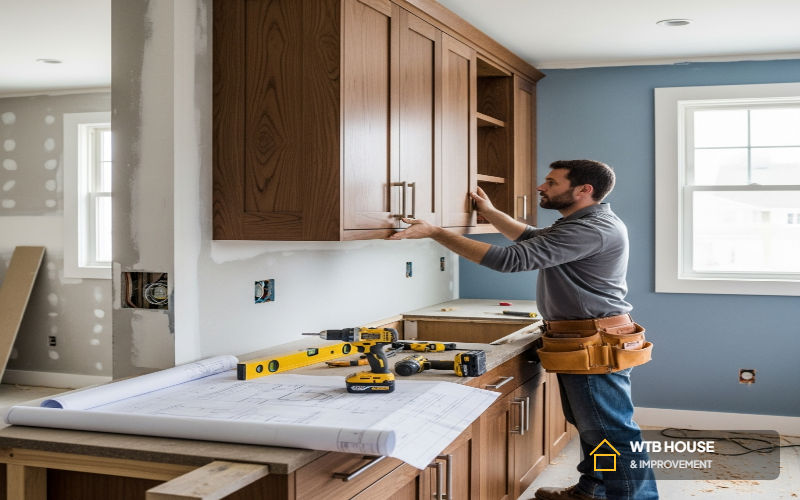
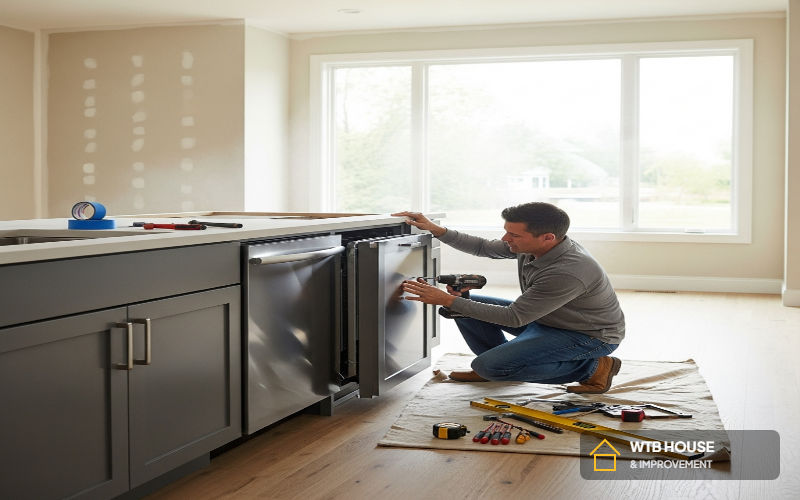
Kitchen remodeling and bathroom renovations are consistently the top two projects for driving up market value. However, a full, expensive gut renovation is often unnecessary to achieve a high ROI. Mid-range, functional upgrades often yield better returns than luxury remodels. In the kitchen, consider refinishing existing cabinets, upgrading aging appliances, replacing countertops with modern materials like quartz or granite, and installing new hardware and lighting. For bathrooms, focus on fresh grout, modern vanities, new fixtures, and energy-efficient toilets. These updates offer a fresh, clean look without the massive expense of reconfiguring the entire floor plan.
Focusing on Curb Appeal and First Impressions
The exterior of your home, or curb appeal, dictates the buyer’s initial perception of the property’s maintenance and value. Key exterior improvements include a fresh coat of exterior paint, upgrading the garage door (which offers a surprisingly high ROI), replacing an old front door with a modern, secure unit, and strategic landscaping. Simple lawn care, weeding, and adding strategically placed, low-maintenance plantings can drastically improve the perceived value of your property without a significant financial outlay. Pressure washing the siding and walkway is a low-cost, high-impact maintenance item often overlooked.
Phase 3: Enhancing Sustainability and Energy Efficiency
Modern home improvement strongly emphasizes sustainability. Projects aimed at reducing utility bills are not only environmentally responsible but also attractive to buyers and provide immediate financial savings to the current homeowner. Focusing on energy efficiency is a wise long-term strategy.
Insulation and Air Sealing: The Invisible Upgrade
One of the most cost-effective yet frequently ignored projects is improving insulation, particularly in the attic and crawl spaces. Proper insulation prevents significant heat loss in winter and heat gain in summer, reducing the strain on your HVAC system. Similarly, air sealing—using caulk and weather stripping to close gaps around doors, windows, and utility penetrations—can reduce energy consumption by up to 20%. This type of maintenance is invisible but provides tangible comfort and savings.
Window and HVAC System Optimization
Replacing single-pane windows with modern, energy-efficient double or triple-pane units significantly reduces drafts and noise pollution. While costly, this upgrade can dramatically enhance comfort and save money annually. Furthermore, having your HVAC system regularly maintained or upgraded to a high-efficiency model is essential. A furnace or air conditioner nearing the end of its lifespan is a major liability during a home sale; replacing it proactively is a strong selling point.
Phase 4: Tackling Essential Maintenance and Safety
While less glamorous than a kitchen renovation, proactive maintenance prevents minor issues from spiraling into costly structural disasters. Safety is paramount and should never be compromised.
Creating a Proactive Home Maintenance Checklist
A routine maintenance schedule ensures the structural integrity of your home. Key items include regularly cleaning gutters and downspouts to prevent foundation damage, inspecting the roof for damaged or missing shingles, checking the foundation for cracks or signs of water intrusion, and servicing water heaters and electrical systems. Addressing these maintenance items prevents large, unpredictable renovation costs down the road.
Addressing Safety and Accessibility
Safety upgrades are non-negotiable. Ensure that smoke detectors and carbon monoxide detectors are properly installed and functional throughout the house. Update old, ungrounded electrical wiring, particularly in kitchens and bathrooms, to include GFCI (Ground Fault Circuit Interrupter) outlets. For aging homeowners or those planning to age in place, accessibility improvements like walk-in showers, reinforced walls for grab bars, and improved lighting are essential long-term investments.
DIY vs. Professional: When to Hire and When to Learn
A crucial decision in any home improvement journey is determining which tasks you can handle safely and effectively, and which require licensed professionals. While DIY projects can save money, mistakes in complex areas like plumbing or electrical work can be incredibly expensive, or worse, dangerous.
Assessing Your Skills and Time Commitment
Simple projects—painting, installing cabinet hardware, light landscaping, or replacing basic fixtures—are ideal for motivated DIYers. These projects require minimal specialized tools and offer immediate visual gratification. However, any project involving structural modifications, load-bearing walls, gas lines, complex electrical wiring, or roof replacement should be entrusted to licensed contractors. Always prioritize safety and regulatory compliance over potential cost savings.
Finding and Vetting Reliable Contractors
When hiring a professional for major home renovation work, diligence is key. Always check licensing and insurance documentation (liability and worker’s compensation). Ask for references from recent jobs and speak directly to those past clients about timeliness, budget adherence, and communication. A detailed, written contract outlining payment schedules, materials, and a timeline is absolutely mandatory before any work commences.
The Long-Term Value of Home Improvement
Home improvement is an ongoing process, not a one-time event. Whether you are conducting minor cosmetic updates or embarking on a major remodeling project, the goal remains the same: to create a safer, more enjoyable, and ultimately more valuable living space. By adhering to a strong strategic plan, focusing on high-ROI projects, and committing to proactive maintenance, homeowners can ensure their property investment continues to pay dividends for years to come.