The Illusion of Grandeur: Bathroom Decoration Ideas That Feel Spacious
For many homeowners, the bathroom is the smallest room in the house, yet it shoulders the largest burden in terms of daily utility and necessary storage. A cramped, cluttered bathroom can undermine even the most beautiful design efforts, leaving the space feeling oppressive rather than restorative. However, the true measure of a room is not its physical square footage, but its visual square footage—the perception of space.
Mastering the art of spatial design involves careful manipulation of light, color, texture, and organization. By employing strategic decorative tactics, you can transform even the most modest powder room or primary bath into an airy, expansive retreat. Below, we delve into sophisticated decoration ideas that are scientifically proven to enhance the feeling of spaciousness, turning tight quarters into visual havens.
1. Harnessing the Power of Light and Reflection
Nothing opens up a space quite like light. Maximizing natural light is always the first priority, but effective use of artificial lighting and reflective surfaces is paramount in a window-starved bathroom.
Oversized and Strategic Mirrors
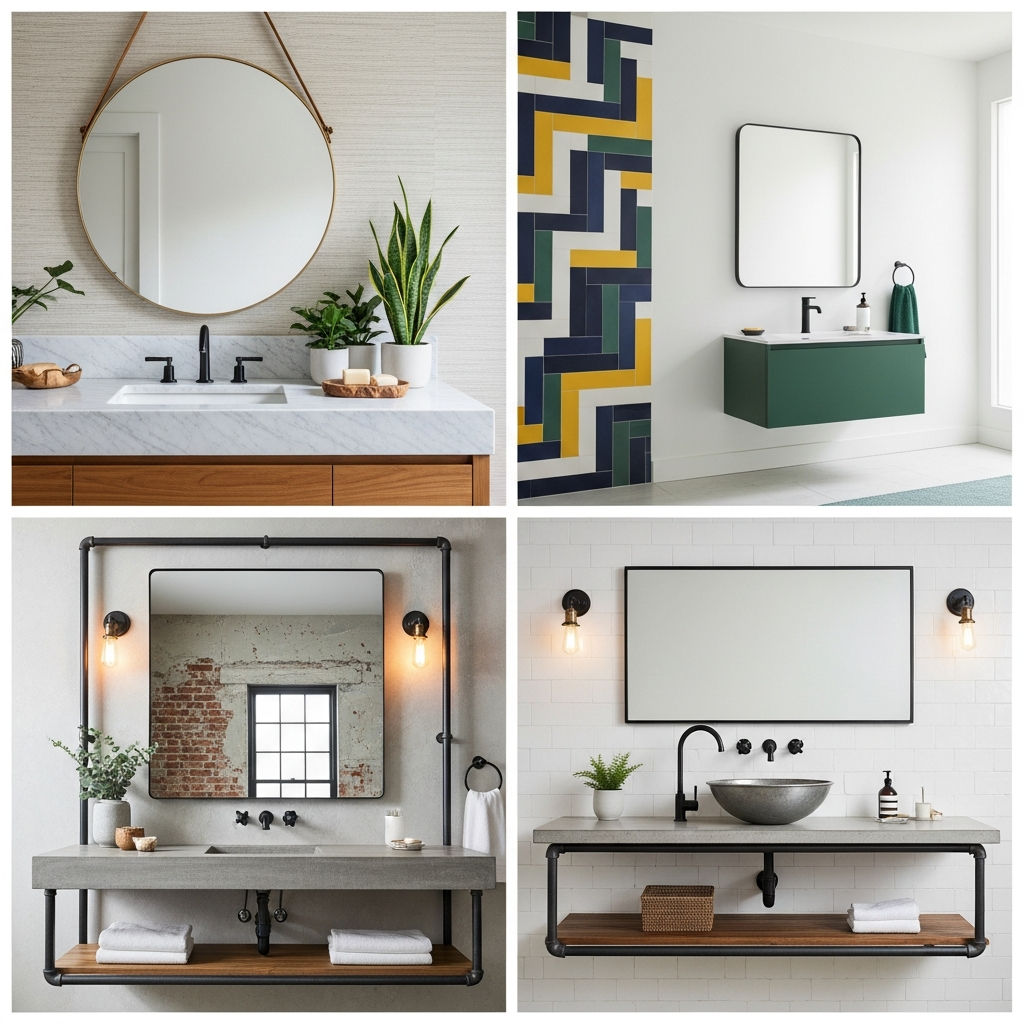
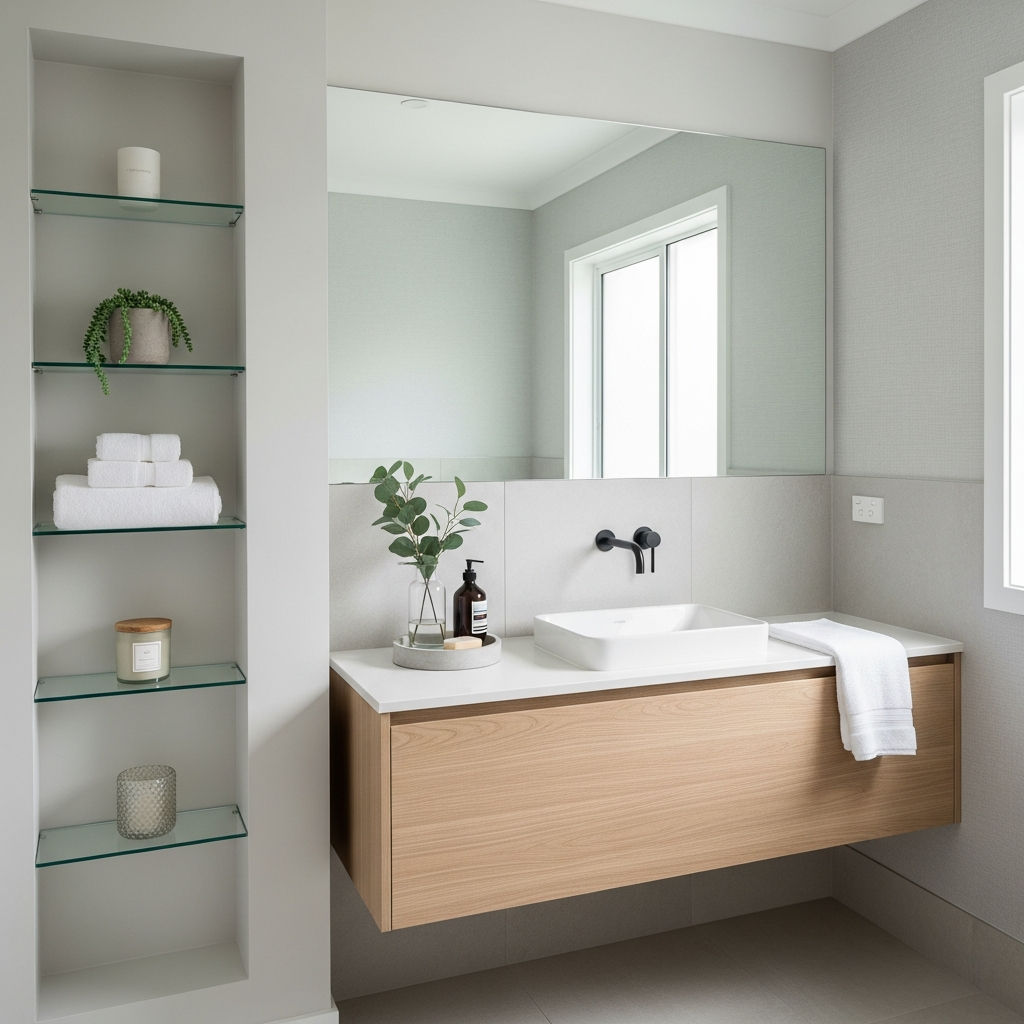
A mirror is the most cost-effective tool for expanding a small room. Instead of choosing a mirror that simply matches the width of the vanity, opt for one that extends higher, or even one that covers nearly the entire wall above the countertop. Frameless mirrors enhance this effect by blending seamlessly into the wall, removing visual boundaries. If possible, positioning the mirror to reflect a doorway or a light source doubles the perceived depth of the room.
- Go Frameless: Eliminates the visual weight of heavy trim.
- Wall-to-Wall Coverage: Maximize the reflective surface area to bounce light deeper into the space.
- Avoid Clutter: Ensure the items reflected in the mirror are minimal and attractive, as the mirror magnifies visual mess.
Layered and Integrated Lighting
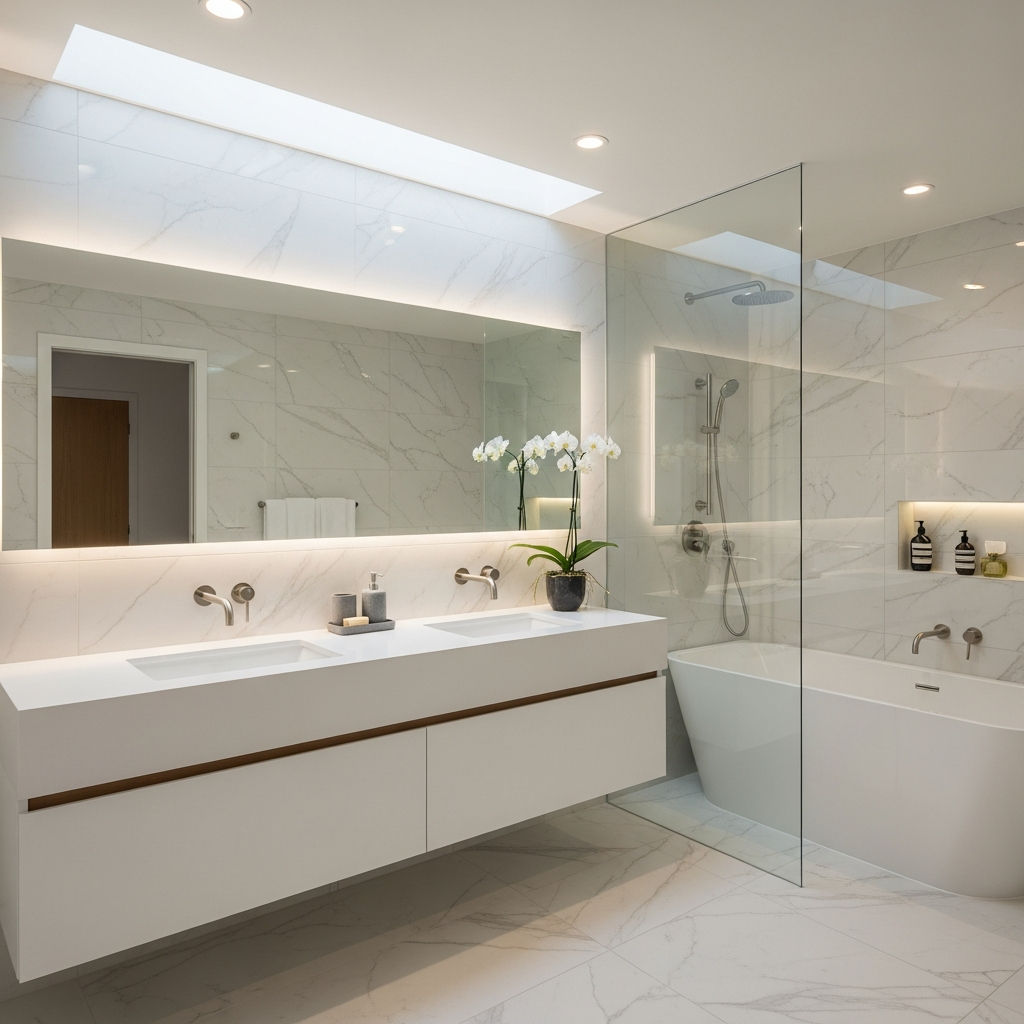
Shadows shrink space. Ensure your lighting scheme eliminates dark corners. Instead of relying on a single overhead light, incorporate layered lighting: ambient light (recessed cans), task lighting (sconces or linear bar lights), and accent lighting (LED strips tucked into niches or under floating vanities). LED lights placed behind the mirror create a soft glow that pushes the mirror surface forward, enhancing the floating effect.
2. The Psychology of Color and Tile Placement
The immediate aesthetic impact of a room is determined by its color palette. While white is the traditional choice for creating spaciousness, sophisticated monochromatic schemes in pale grey, soft blue, or muted beige can be equally effective, adding character without sacrificing airiness.
Monochromatic and Pale Palettes
Keep walls, ceilings, and major fixtures in the same light tone. When these elements transition seamlessly, the eye has nowhere to stop, leading the brain to interpret the space as larger. A trick interior designers often employ is painting the ceiling a color slightly lighter than the walls, drawing the eye upward.
Minimizing Visual Interruption with Tile
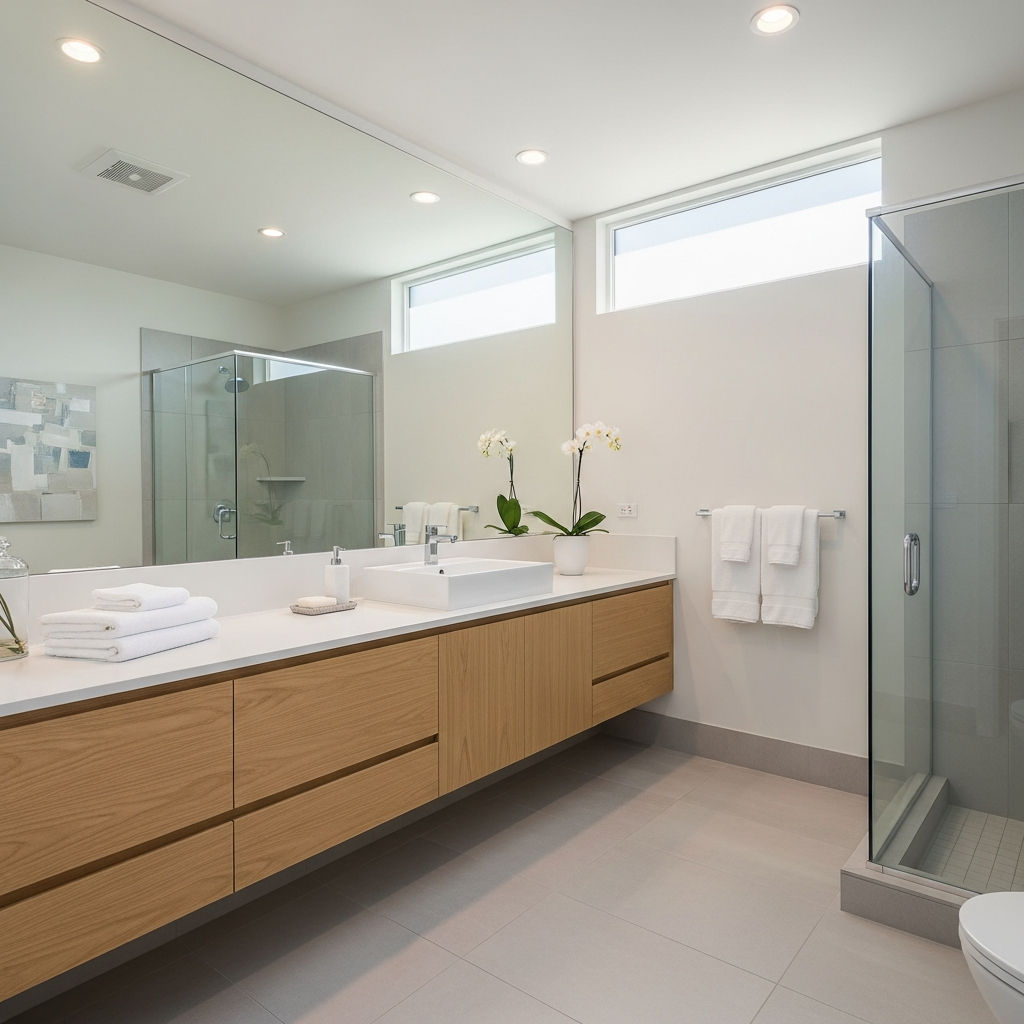
Grout lines are visual barriers. In a small bathroom, extensive tiling with thick, dark grout chops the room into countless small segments. To combat this:
- Large Format Tiles: Use the largest possible tiles on the floor and walls. Fewer grout lines equal less visual clutter and a smoother surface continuity.
- Match Grout to Tile: Choose a grout color that closely matches the tile color. This maintains the unbroken, expansive surface.
- Run Tile Continuously: If you have a shower enclosure, run the floor tile directly into the shower pan (creating a curbless entry). This unbroken sightline tricks the eye into believing the wet area is part of the main floor space.
3. Floating Fixtures and Transparent Barriers
The critical factor in making a small space feel big is revealing the floor. Any element that allows the floor to remain visible contributes significantly to the feeling of openness.
The Magic of Floating Vanities
Wall-mounted vanities are indispensable in spacious bathroom design. By elevating the cabinetry, they expose the flooring underneath, allowing light to reach the edges of the room and creating the illusion of unused, available space. Choose streamlined, shallow vanities over deep, bulky options. Paired with wall-mounted faucets, which free up counter space, the effect is multiplied.
Glass Over Curtains
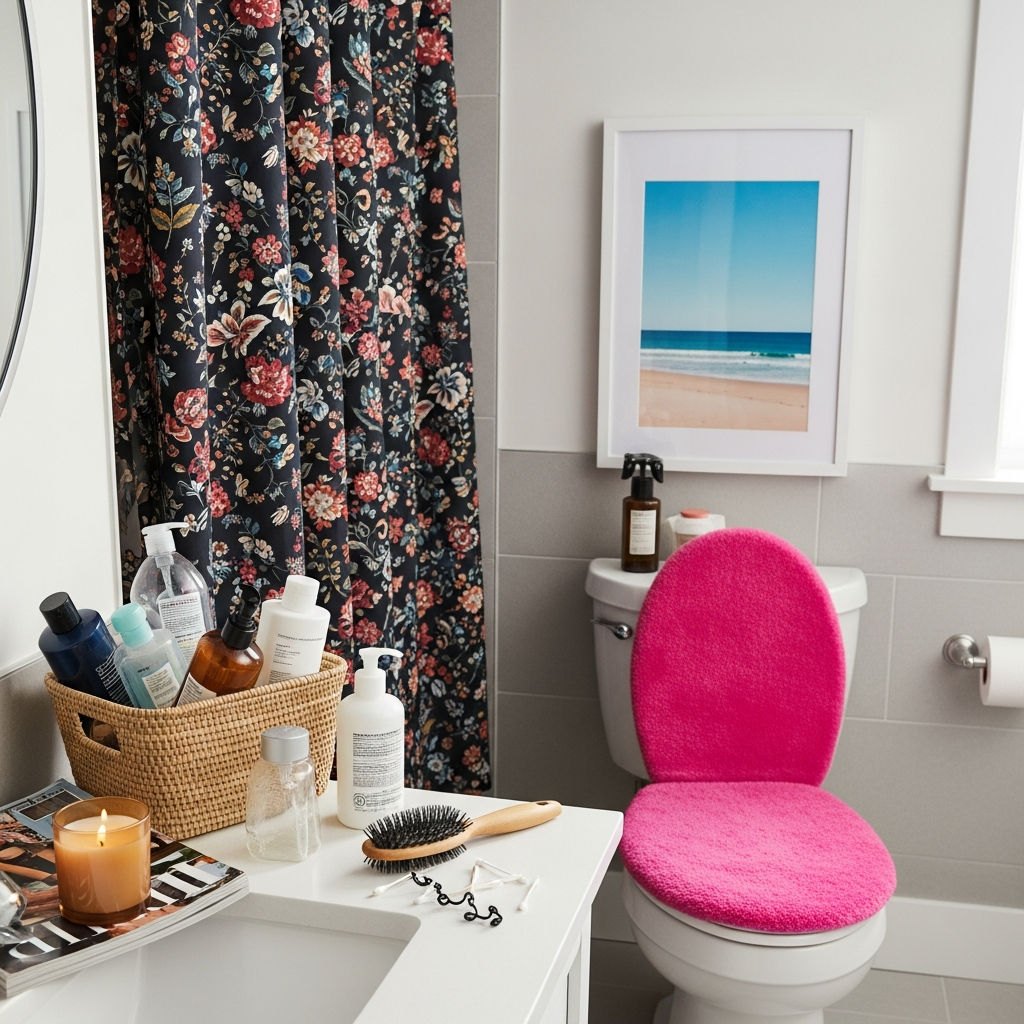
Shower curtains are spatial killers. They interrupt the line of sight and often appear bulky when pushed open. Replacing a shower curtain with a clear, frameless glass enclosure is perhaps the single most impactful structural change you can make. Since the entire room is visible at all times, the shower area is visually integrated into the main bathroom space, immediately doubling its perceived size. If total enclosure is not possible, opt for a glass panel screen instead of a full door.
4. Strategic Storage and Decluttering
Even the most expertly designed bathroom will feel small if it is burdened by excess toiletries and unnecessary decor. The goal is to maximize storage capacity while minimizing its visible presence.
Recessed and Built-In Solutions
Use the wall cavity itself for storage. Recessed medicine cabinets and shower niches keep essentials hidden while avoiding protrusion into the room. If open shelving is desired, ensure the items displayed are strictly minimal, curated, and visually appealing, such as fresh towels or small plants. Excessive knick-knacks add visual noise and diminish the sense of calm spaciousness.
Clear Accessories and Hardware
Where possible, choose materials that are visually light. Glass soap dispensers, clear acrylic storage bins, and simple polished chrome hardware (rather than heavy bronze or black finishes) allow the eye to move past them quickly, contributing to an overall feeling of weightlessness.
- Vertical Storage: Utilize tall, narrow cabinets or shelving units to draw the eye up, emphasizing height rather than width.
- Under-Sink Baskets: If using a pedestal sink or a floating vanity without drawers, use neat baskets underneath for hidden storage; however, ensure the baskets do not overflow and keep the floor surrounding them clear.
5. The Finishing Details: Minimalism and Continuity
The final stage of achieving spaciousness is focusing on cohesion. Every element should reinforce the minimalist theme.
Avoiding Busy Patterns
While accent walls or decorative tiles can be beautiful, overly busy patterns—especially small, repeating ones—can make walls feel closer and claustrophobic. If you must use pattern, restrict it to the floor or use a single, large geometric pattern on one wall, ensuring the background color matches the other walls.
Streamlined Textures
Opt for smooth, polished surfaces over rough, tactile textures like shiplap or stone veneer. Smooth surfaces reflect light better and maintain that coveted sense of seamless continuity. Large format porcelain or polished stone is ideal for a clean, expansive look.
In conclusion, creating a spacious bathroom environment is less about demolition and more about deception. By embracing transparency, prioritizing light, choosing the right scale for fixtures, and adhering to strict organizational standards, you can transcend the physical limitations of the room. The goal is simple: eliminate visual friction, maximize sightlines, and ensure that every element serves the larger purpose of airy, sophisticated minimalism.
Tags: Small Bathroom Design, Illusion of Space, Bathroom Lighting, Floating Vanities, Large Mirrors