The Future is Now: Decoding the Top 5 House Design Trends Driving Modern Homeowners
The concept of “home” is constantly evolving, and nowhere is this more apparent than in the dynamic world of house design. As we navigate a new era defined by sustainability, digital integration, and flexible living, the aesthetics and functionality of residential architecture are being fundamentally reshaped. For architects, builders, and homeowners alike, staying ahead of these trends is crucial. This comprehensive guide dives deep into the top five house design trends currently dominating the market, offering expert insights into how they are being implemented and why they matter for the modern home.
1. The Rise of Biophilic Design: Bringing Nature Indoors
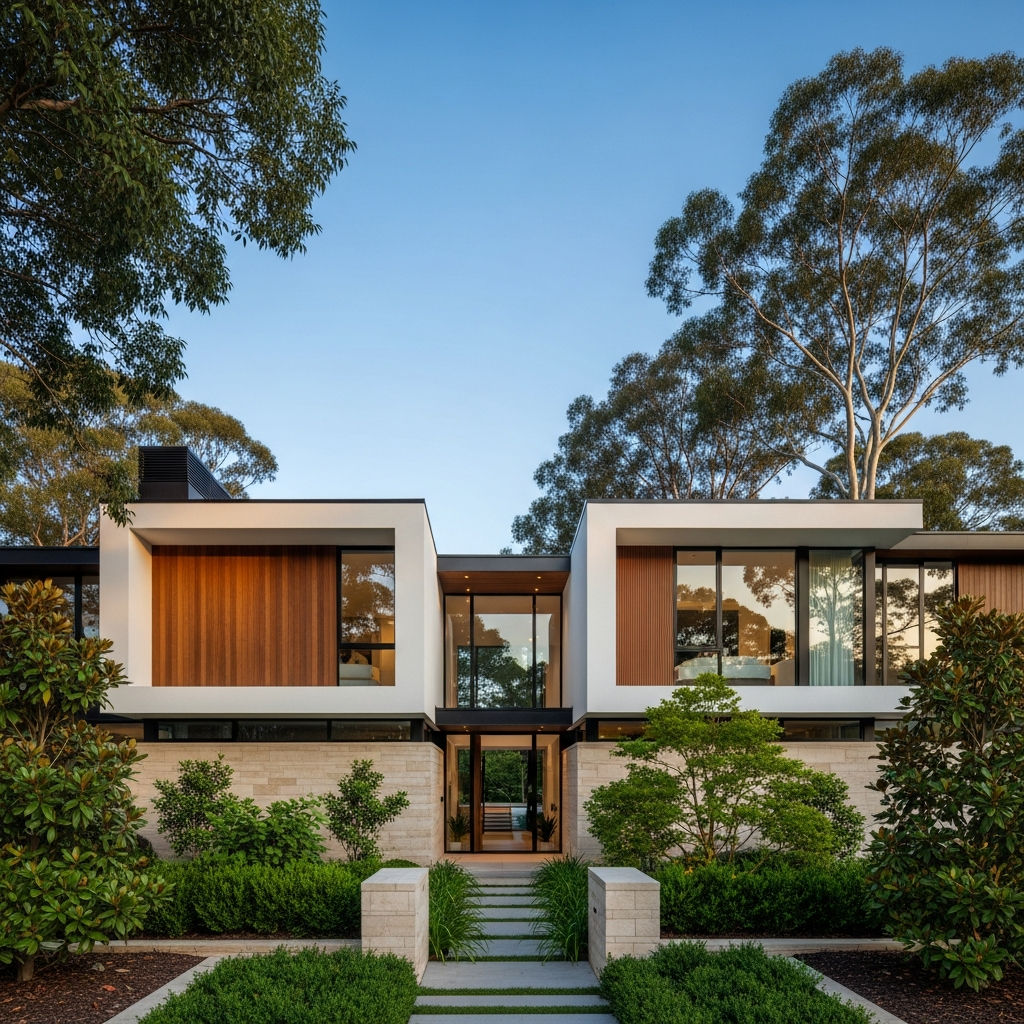
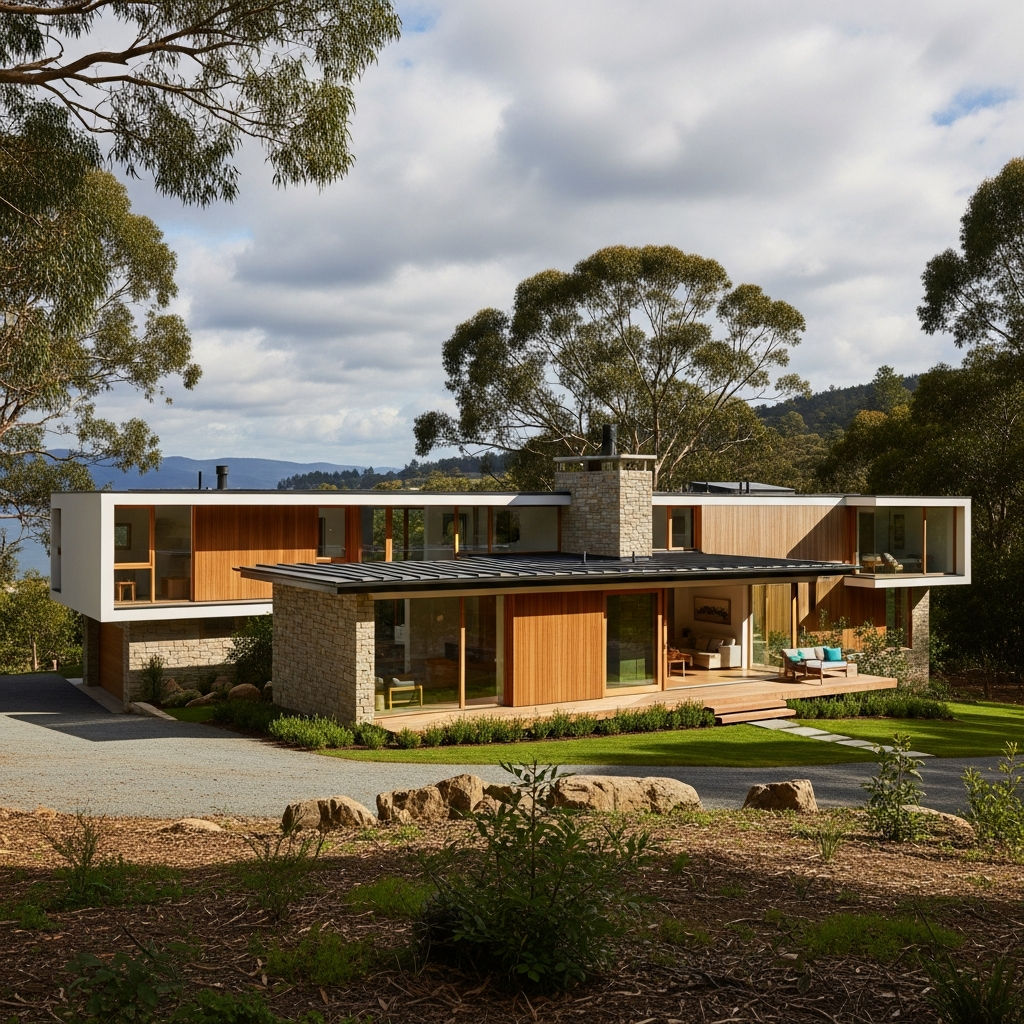
Biophilic design is more than just adding houseplants; it is an architectural philosophy that seeks to connect occupants with the natural environment. Studies show that incorporating natural elements can reduce stress, enhance creativity, and improve overall well-being. This trend is moving beyond simple aesthetics to become a core structural element of modern house design.
Read More: The Ultimate Guide to House Renovation
Integrating Natural Light and Ventilation
Maximizing natural light through expansive, strategically placed windows and skylights is paramount. Designers are increasingly using clerestory windows and light wells to pull daylight deep into the core of the house, reducing reliance on artificial lighting. Furthermore, passive ventilation strategies, such as cross-breezes facilitated by operable windows on opposite walls, are being prioritized to ensure fresh, circulated air.
Materiality and Texture in Biophilic Spaces
The preference for raw, natural materials is surging. Untreated or minimally treated wood (like reclaimed lumber), natural stone, and polished concrete are highly favored. These materials introduce authentic textures and subtle imperfections that mimic the organic world. Vertical gardens, living walls, and internal courtyards blur the lines between indoor and outdoor living, creating true urban sanctuaries. Keywords: Biophilic House Design, Natural Light Architecture, Sustainable Materials Home.
2. Smart Home Integration and Invisible Technology
The term “smart home” has matured from novelty gadgets to sophisticated, integrated systems that enhance security, energy efficiency, and convenience. The most significant shift is the movement towards “invisible technology”—systems that operate seamlessly in the background without cluttering the aesthetic design.
Centralized Control Systems and Energy Management
Modern homes are built around centralized operating systems (often based on platforms like Control4 or integrated Apple HomeKit) that manage lighting, climate, security, and entertainment. Crucially, these systems are focused on energy optimization. Smart thermostats learn usage patterns, dynamic glass adjusts tint based on solar gain, and integrated solar panels manage power distribution efficiently. This level of integration makes the home both comfortable and profoundly energy-conscious.
Aesthetic Integration of Devices
Designers are finding creative ways to hide technological infrastructure. Speakers are often flush-mounted or integrated directly into ceilings and walls, keypads are streamlined and color-matched, and charging stations are built directly into furniture or countertops. The goal is to achieve high functionality while maintaining a minimalist, clean design language. Keywords: Smart Home Architecture, Invisible Tech House, Centralized Home Control.
3. The Flexible Floor Plan: Adaptability and Multi-Generational Living
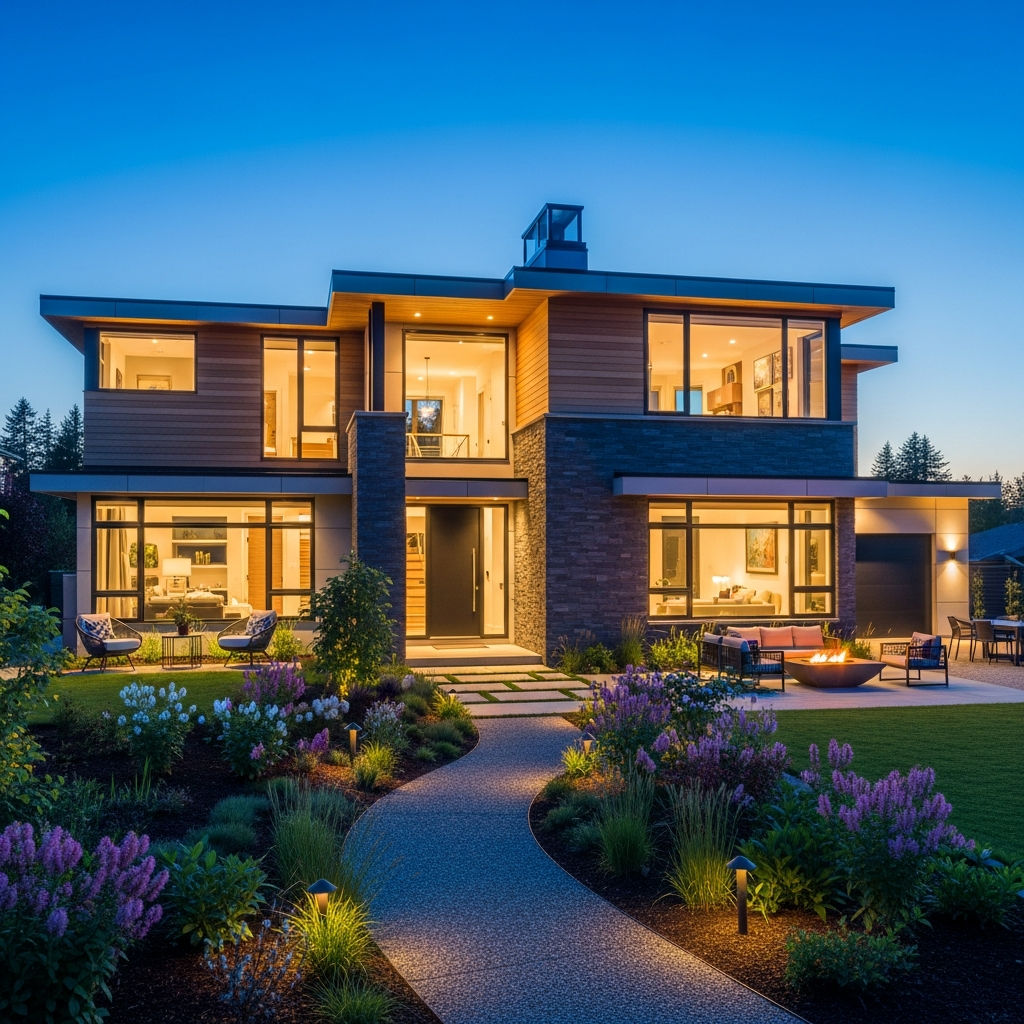
The days of rigid, compartmentalized floor plans are fading. Modern life demands versatility. The COVID-19 pandemic accelerated the need for homes that can easily transition between offices, classrooms, gyms, and living spaces. This trend centers on adaptability, particularly catering to multi-generational households and work-from-home professionals.
Zoning and Sliding Partitions
Open-concept living remains popular for communal areas, but strategic zoning is key. Designers are utilizing large pocket doors, sliding glass walls, and rotating partition systems to quickly divide a large space into smaller, private zones. A dining room can become a conference room, or a segment of the living area can be instantly closed off as a quiet study nook.
Accessory Dwelling Units (ADUs) and Dedicated Home Offices
ADUs, or “granny flats,” are increasingly incorporated into new house designs, providing independent living quarters for extended family or serving as rental income generators. For remote workers, the dedicated home office is essential, often featuring enhanced acoustic insulation and direct external access to maintain a separation between work and personal life. Keywords: Flexible Floor Plan Design, Multi-Generational Housing, ADU Architecture, Home Office Integration.
4. Sustainable and Resilient Architecture: The Net-Zero Goal
Sustainability is no longer a niche requirement; it is rapidly becoming the standard expectation for new house design. Homeowners are prioritizing resilience—the ability of a structure to withstand environmental stressors while minimizing its ecological footprint.
Net-Zero Energy Homes
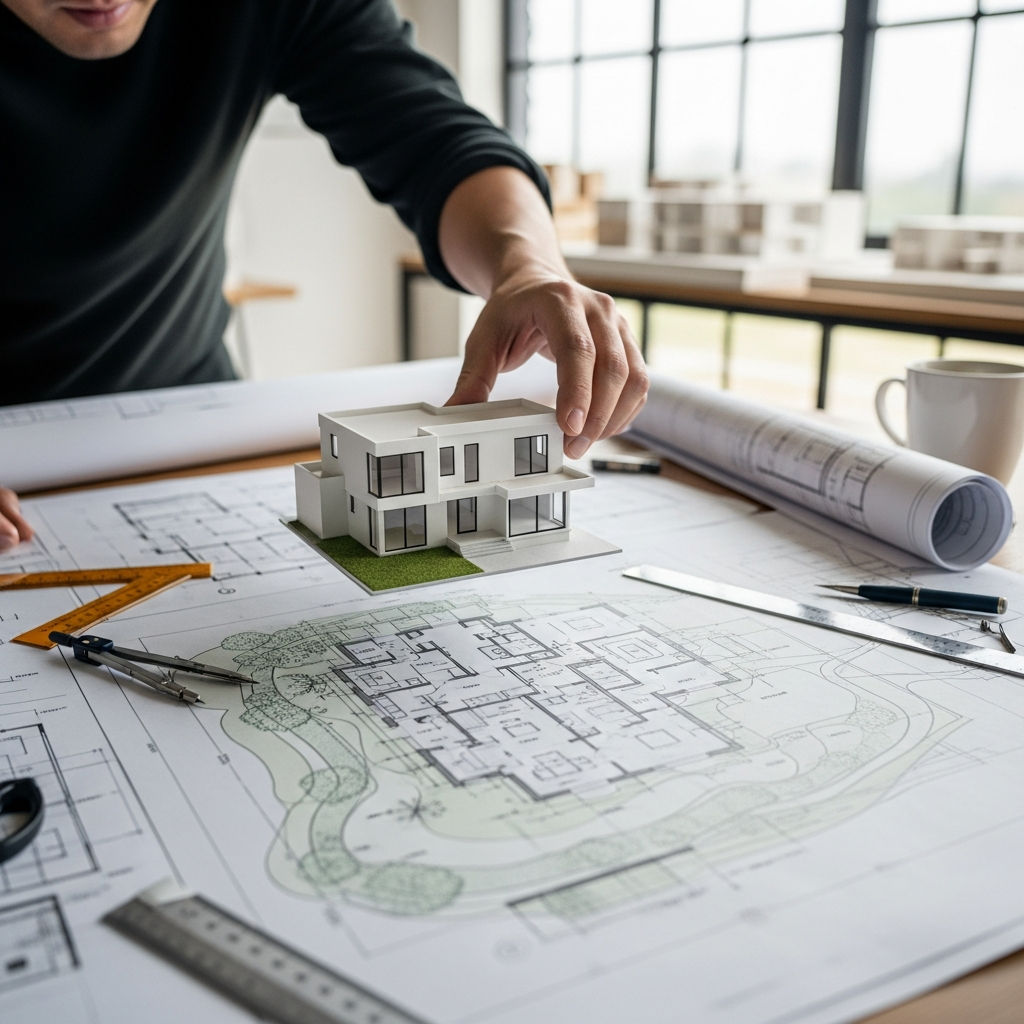
The aspiration for net-zero or even net-positive energy homes is fueling innovation. This involves combining highly efficient building envelopes (superior insulation, high-performance windows, airtight construction) with renewable energy generation, primarily solar photovoltaic (PV) systems. Passive solar design principles are employed to reduce heating and cooling loads naturally.
Water Conservation and Resource Management
Modern sustainable homes integrate rainwater harvesting systems for irrigation and greywater recycling for non-potable uses (like toilet flushing). Drought-tolerant landscaping (xeriscaping) minimizes outdoor water demand. The careful selection of low-VOC (volatile organic compound) materials also ensures superior indoor air quality, contributing to both environmental and occupant health. Keywords: Net-Zero House Design, Sustainable Residential Architecture, High-Performance Building Envelope, Green Home Trends.
5. Bold Minimalism and Highly Functional Kitchens
The kitchen remains the heart of the home, but its design is shifting towards hyper-efficiency and streamlined aesthetics. The current trend favors “bold minimalism”—clean lines, expansive surfaces, and integrated storage that hides all functional clutter.
The Monochromatic and Textured Look
We are seeing a move away from stark white kitchens towards deeper, more dramatic color palettes, such as matte black, charcoal gray, or deep navy. Texture is introduced through rough-sawn wood accents, heavily veined marble countertops, and textured plaster finishes on walls. The overall effect is sophisticated and grounded.
Maximizing Hidden Storage and Appliances
Seamless integration is key. Appliances are hidden behind custom paneling, giving the appearance of continuous cabinetry. Pantries are evolving into large, dedicated sculleries or “back kitchens” where messy preparation and storage can be relegated, keeping the main kitchen pristine and display-ready for entertaining. Minimal hardware, often replaced by touch-latch systems, contributes to the uninterrupted, minimalist aesthetic. Keywords: Minimalist Kitchen Design, Hidden Appliance Kitchen, Bold Monochrome Interiors, Functional House Design.
These five trends—Biophilic Design, Invisible Technology, Flexible Plans, Net-Zero Goals, and Bold Minimalism—are converging to create residences that are not just structures, but intelligent, adaptive, and environmentally conscious habitats tailored for 21st-century living. For anyone planning a new build or a major renovation, understanding these shifts is essential for achieving a home that is truly future-proof.