Illuminate Your Sanctuary: Bathroom Decoration Tips for Better Lighting
The bathroom, often overlooked in the grand scheme of home design, is arguably one of the most important rooms in the house. It’s where we start our day, prepare for major events, and unwind after a long evening. Yet, many homeowners neglect the critical component that dictates both function and mood: lighting. Poor lighting can turn grooming into a guesswork game, make the space feel cramped, and instantly date the decor.
Achieving optimal bathroom lighting isn’t just about brightness; it’s about layering different types of light to serve specific needs while enhancing the overall aesthetic. From strategic fixture placement to decorative choices that maximize reflectivity, here is a comprehensive guide to decorating your bathroom for superior illumination.
The Trifecta of Light: Understanding Layering
Professional designers agree that successful bathroom lighting relies on a three-pronged approach: Ambient, Task, and Accent lighting. Mixing these layers ensures the room is versatile, functional, and beautifully lit.
1. Ambient Lighting: The Foundation
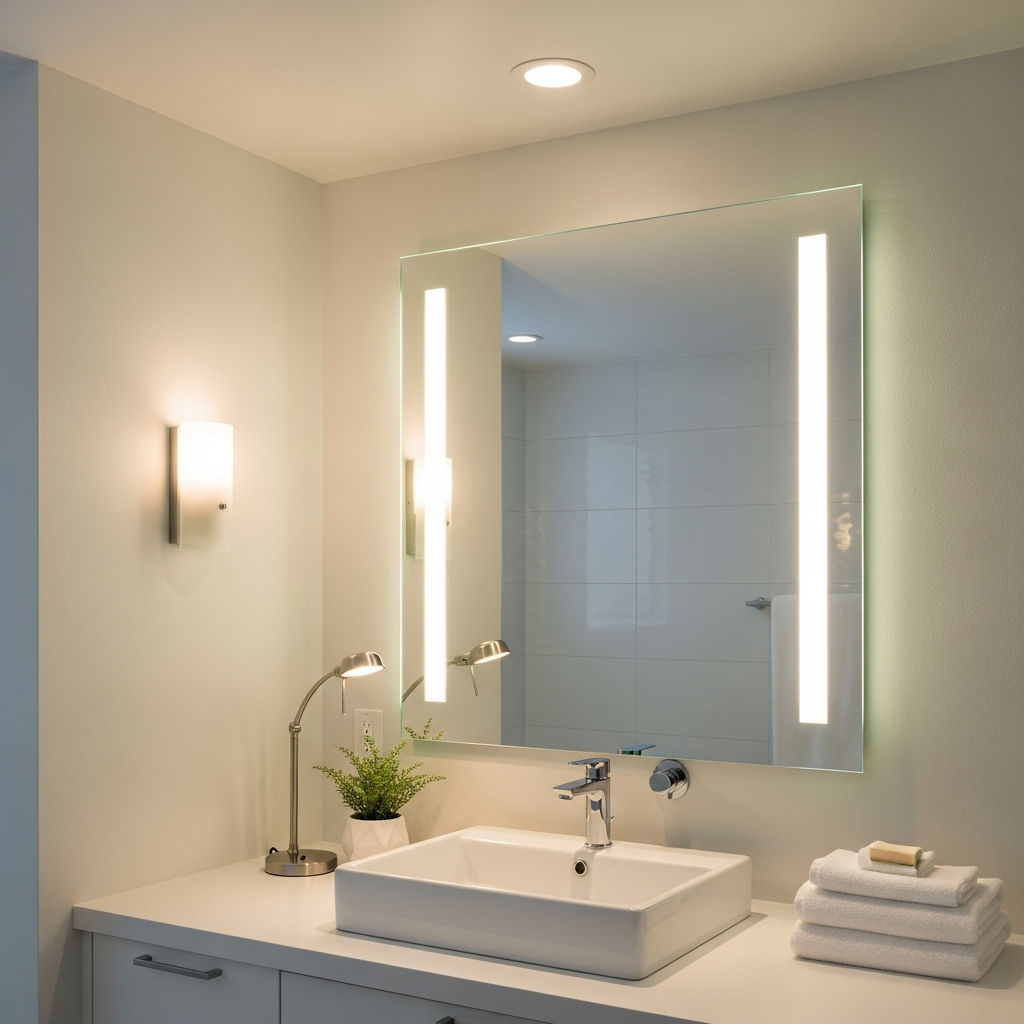
Ambient light provides the general illumination necessary to safely navigate the space. This is often the primary source of light, usually coming from ceiling fixtures. Recessed lighting is the gold standard for modern bathrooms, offering clean lines and even distribution. However, flush mounts or semi-flush mounts can also serve well, particularly in smaller spaces or those with lower ceilings.
- Color Temperature Matters: For ambient light, aim for a color temperature between 2700K and 3000K (Kelvin). This provides a warm, inviting glow that is flattering without being yellow.
- Dimmers are Essential: Installing a dimmer switch on your ambient lighting allows you to adjust the mood, offering bright light for cleaning and a softer glow for a relaxing soak in the tub.
- Positioning: Ensure recessed lights are spaced evenly and not placed directly over the vanity mirror, as this creates harsh shadows on the face.
2. Task Lighting: Focus on Function
Task lighting is critical around the vanity area, where precise activities like shaving, applying makeup, or styling hair occur. This light must be bright, glare-free, and positioned to eliminate shadows.
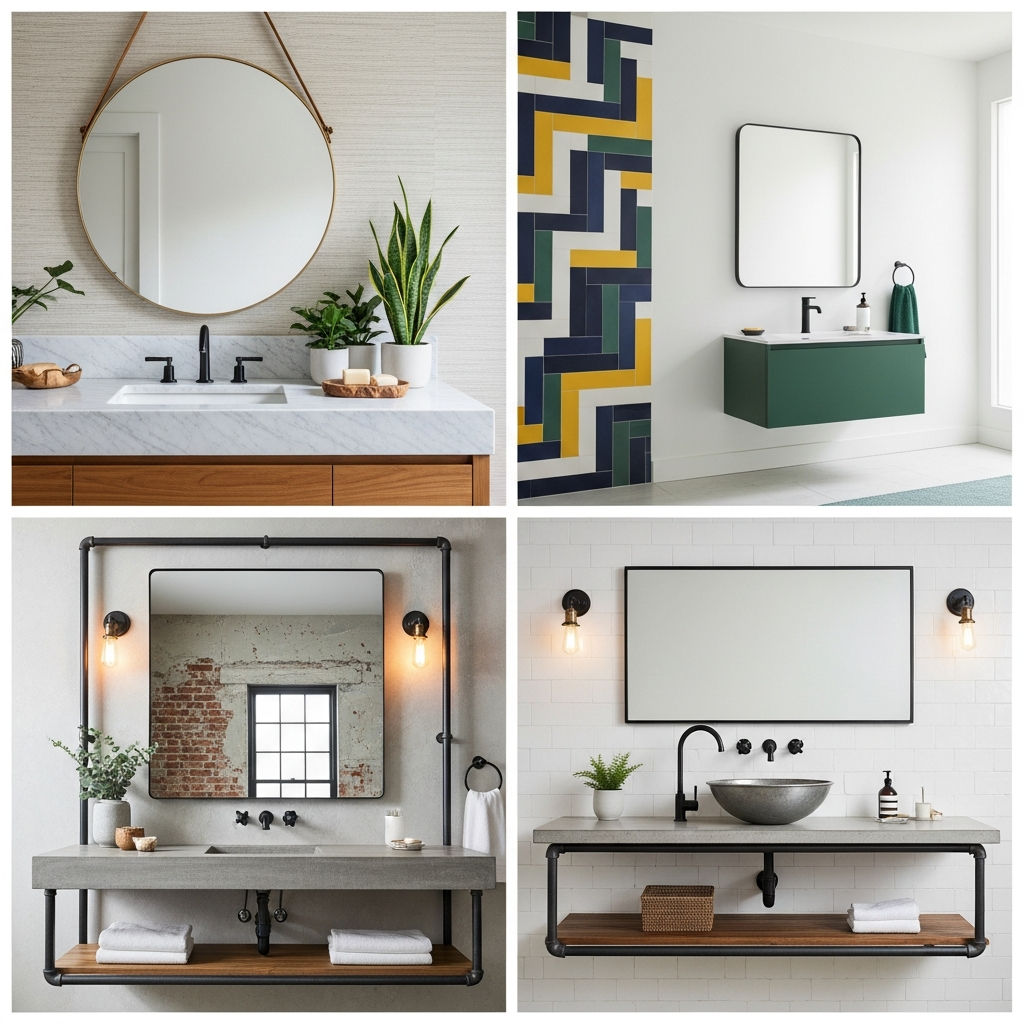
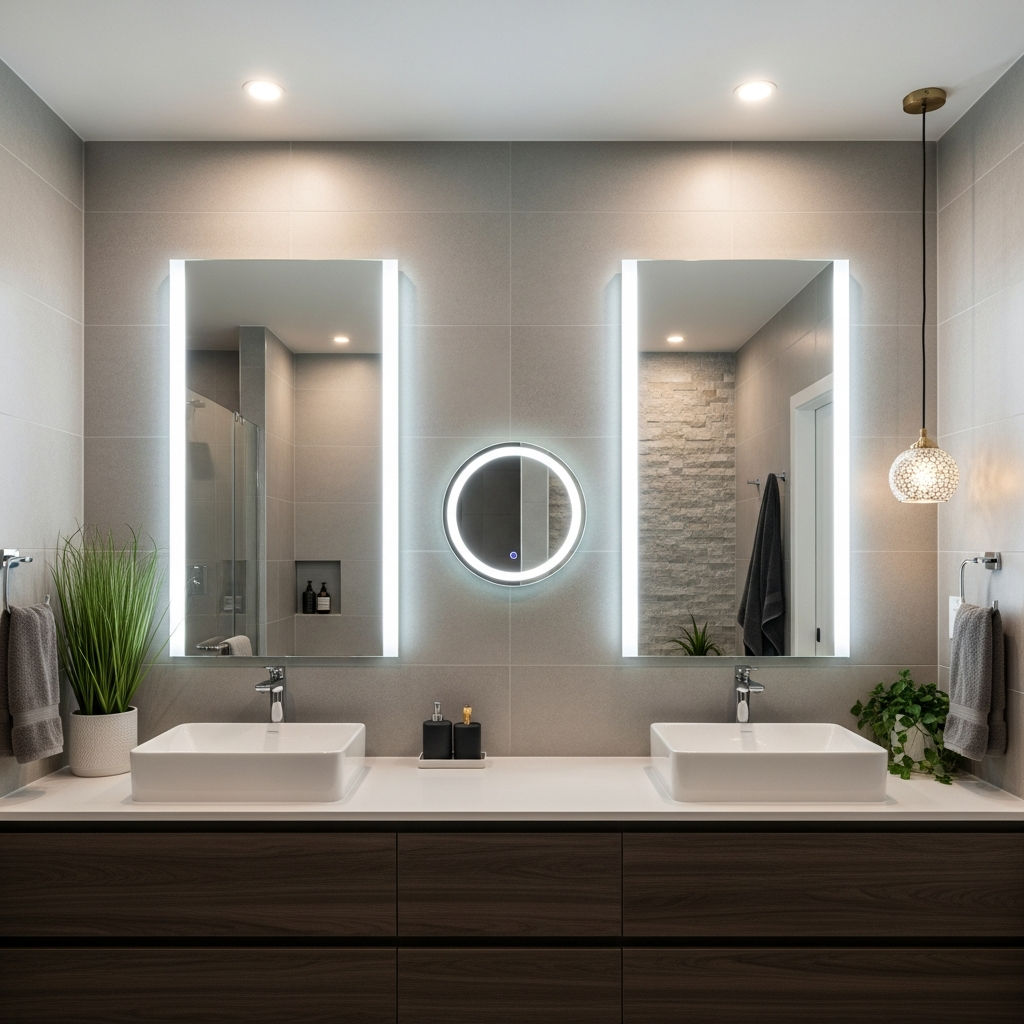
The best solution for task lighting is placing fixtures at eye level on either side of the mirror. Wall sconces or vertical light bars flanking the mirror provide cross-illumination, distributing light evenly across the face.
- Height and Placement: Fixtures should generally be mounted 60 to 65 inches from the floor, centered around the face height. For sconces, ensure the distance between them is approximately 28 to 30 inches apart, measured from the center of each fixture.
- Integrated Mirror Lighting: Mirrors with built-in LED strips offer a sleek, contemporary solution for shadow-free task lighting, often including adjustable color temperature settings.
- CRI (Color Rendering Index): Choose bulbs with a high CRI (90 or above). This ensures that colors, like those in makeup or clothing, appear true to life under the light.
3. Accent Lighting: Defining Detail
Accent lighting is purely decorative, designed to highlight architectural features, artwork, or stylish elements like niche shelving. It adds depth and visual interest to the bathroom.
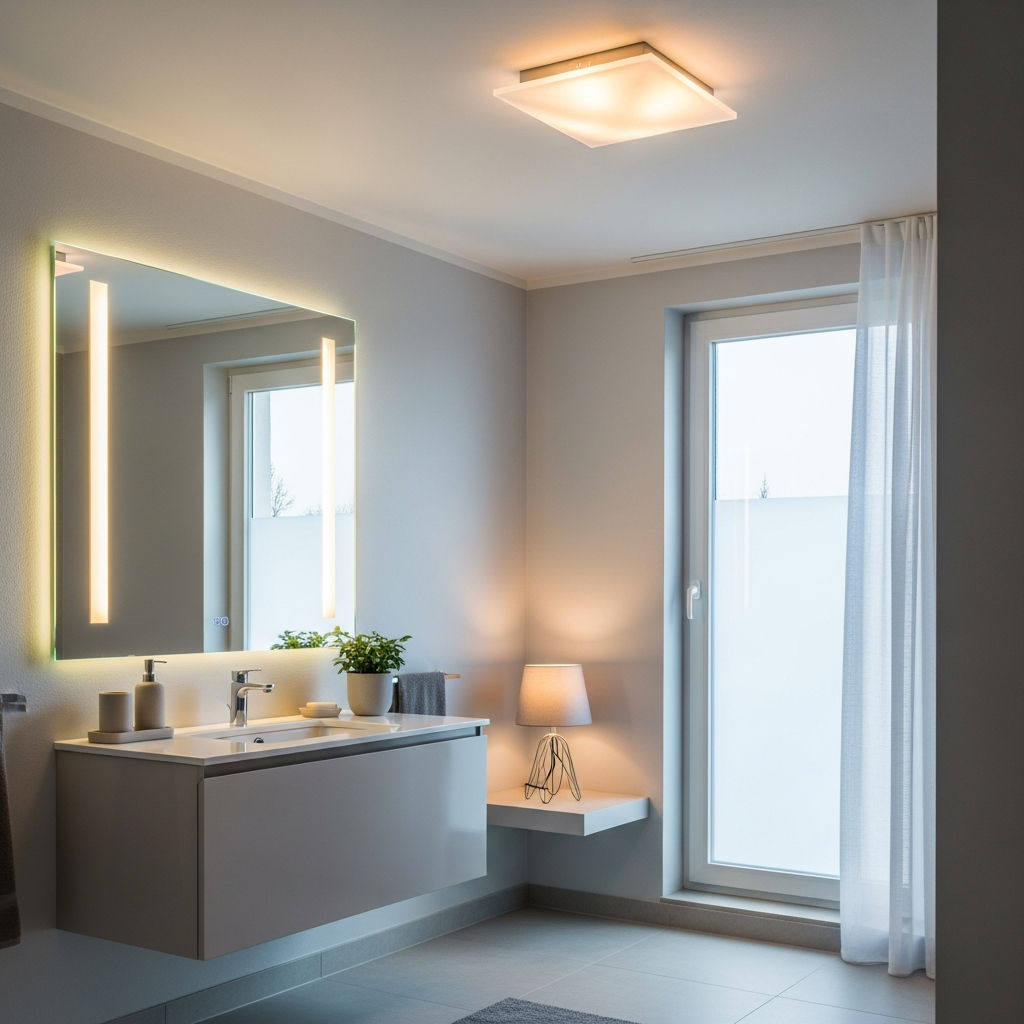
- Toe-Kick Lighting: Low-level LED strip lighting installed beneath floating vanities or along baseboards provides a soft, guiding light at night, eliminating the need for bright overhead fixtures.
- Shower Niche Lights: Small, waterproof recessed lights inside a shower niche draw attention to tile work or high-end bath products, creating a spa-like feel.
Decorative Elements That Boost Brightness
Beyond the fixtures themselves, clever decoration choices can dramatically amplify the light you already have, making the bathroom feel larger, cleaner, and brighter.
The Power of Reflectivity: Mirrors and Glass
Mirrors are the number one tool for manipulating light. Instead of just one standard mirror over the vanity, consider incorporating additional reflective surfaces:
- Oversized Mirrors: Opt for the largest mirror possible that fits your vanity area. Frameless or thin-framed mirrors maximize the reflective surface.
- Mirrored Cabinets: If storage is needed, mirrored medicine cabinets offer dual functionality and maximize reflection without sacrificing space.
- Glass Shower Enclosures: Replacing opaque shower curtains with clear glass enclosures prevents light from being blocked, allowing both natural and artificial light to travel deeper into the room.
Light-Enhancing Color Palettes
Dark colors absorb light, while light colors reflect it. While a moody, dark bathroom can be dramatic, achieving good illumination in one is significantly harder and requires far more powerful fixtures. For most homes seeking maximum brightness, a light palette is the best approach.
- White and Off-White: Crisp white walls, ceilings, and trim reflect up to 80% of light, immediately brightening the space.
- High-Gloss Finishes: Use semi-gloss or high-gloss paint finishes on trim and cabinetry. The subtle sheen reflects light better than flat or matte finishes.
- Cool Neutrals: Light gray, pale blue, or seafoam green walls can add subtle color while still reflecting ample light, keeping the space airy and fresh.
Choosing the Right Materials
The materials you choose for surfaces play a significant role in how light is dispersed.
- Polished Tiles: Use large-format, glossy or polished tiles on floors and walls. The shine helps bounce light around the room, especially effective in small bathrooms.
- Chrome and Polished Nickel Fixtures: Shiny hardware (faucets, towel bars, light fixture frames) acts as small, reflective surfaces, adding sparkle and maximizing light refraction. Avoid matte black or oil-rubbed bronze if brightness is the primary goal.
- Vanity Surface: A light-colored countertop, especially quartz or marble with a polished finish, will reflect the task lighting upwards, reducing shadows.
Maximizing Natural Light
No artificial light source can truly replicate the quality of natural daylight. If your bathroom has a window, prioritize maximizing its contribution.
Install sheer window treatments instead of heavy curtains, or use frosted glass or film for privacy without blocking light. If privacy is paramount, consider high transom windows or skylights. A skylight, particularly one placed over the shower or tub area, can transform a dark interior bathroom into a sun-drenched sanctuary.
The Takeaway: Designing for Delight
Decorating your bathroom for better lighting is not just a practical concern; it’s an investment in comfort and aesthetic appeal. By employing the layered lighting approach—combining functional task lights with softer ambient sources and sparkling accents—and utilizing reflective materials and bright colors, you can transform your bathroom into a well-lit, luxurious space where you feel and look your best. Careful planning ensures that every moment spent in your illuminated sanctuary is delightful.
Tags: Bathroom Lighting, Vanity Lighting, Layered Lighting, Bathroom Decor, Lighting Tips