The Ultimate Checklist for Home Improvement: Transform Your Living Space
Embarking on a home improvement journey is an exciting venture that promises to enhance your lifestyle and increase your property’s market value. However, without a structured plan, a simple renovation can quickly turn into a chaotic and expensive ordeal. Whether you are planning a complete overhaul or a few weekend DIY projects, having a comprehensive home improvement checklist is the key to success.
In this guide, we provide a powerful, step-by-step roadmap to help you navigate the complexities of home renovation. From budgeting and planning to the finishing touches, this checklist ensures no detail is overlooked.
Phase 1: Planning and Budgeting
Before you pick up a hammer, you need a solid foundation of information. Planning is the most critical stage of any home improvement project.
- Define Your Goals: Are you renovating to increase resale value, or are you looking to improve your personal comfort? Knowing your “why” will dictate your material choices and budget allocation.
- Establish a Realistic Budget: Research the costs of materials and labor in your area. Always set aside a 10% to 20% contingency fund for unexpected “surprises,” such as hidden water damage or outdated wiring.
- Hire Professionals vs. DIY: Honestly assess your skills. While DIY can save money, mistakes in plumbing or electrical work can be incredibly costly to fix later.
- Secure Necessary Permits: Check with your local building department. Many structural, electrical, and plumbing changes require legal permits to ensure the safety and legality of the work.
Phase 2: Essential Structural and Safety Repairs
It is tempting to jump straight into the aesthetic upgrades, but the “bones” of your home must be solid first. There is no point in installing expensive marble countertops if the roof is leaking.
Roofing and Gutters
Inspect your roof for missing shingles or leaks. Ensure your gutters are clear of debris and downspouts are directing water away from the foundation. Proper drainage prevents basement flooding and structural erosion.
Electrical and Plumbing Systems
In older homes, outdated wiring can be a fire hazard. Ensure your electrical panel can handle modern appliance loads. Similarly, check for slow leaks in pipes and ensure your water heater is functioning efficiently.
Foundation and Windows
Check for cracks in the foundation and gaps around window frames. Sealing these areas not only protects the structure but also significantly improves your home’s energy efficiency by preventing drafts.
Phase 3: The High-ROI Areas – Kitchen and Bathrooms
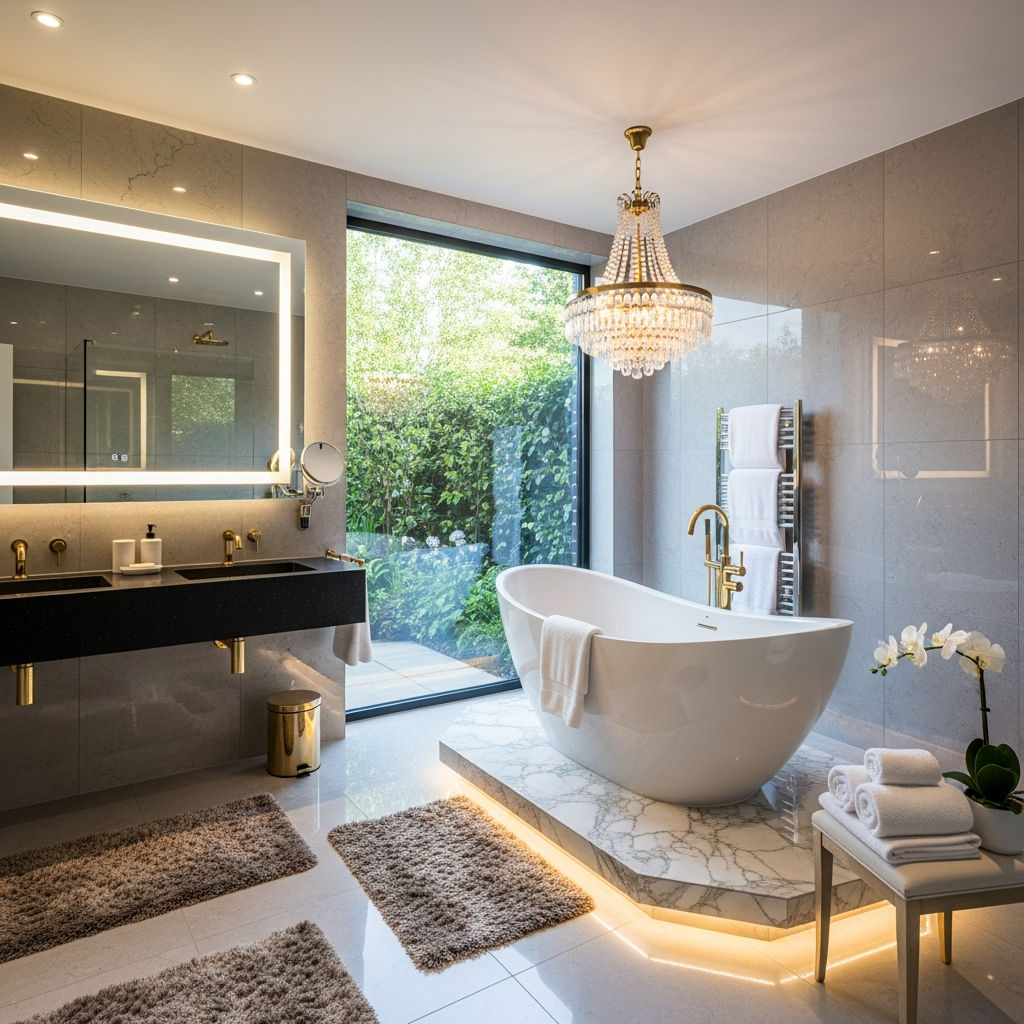
If you are looking for the best return on investment (ROI), focus your efforts on the kitchen and the bathrooms. These are the rooms that most often sell a house.
The Kitchen Checklist
- Cabinetry: If the frames are solid, consider refacing or painting them instead of a full replacement.
- Countertops: Quartz and granite remain top choices for durability and style.
- Appliances: Energy Star-rated appliances appeal to modern buyers and reduce utility bills.
- Lighting: Incorporate “layered lighting” – task lighting under cabinets, ambient ceiling lights, and decorative pendants.
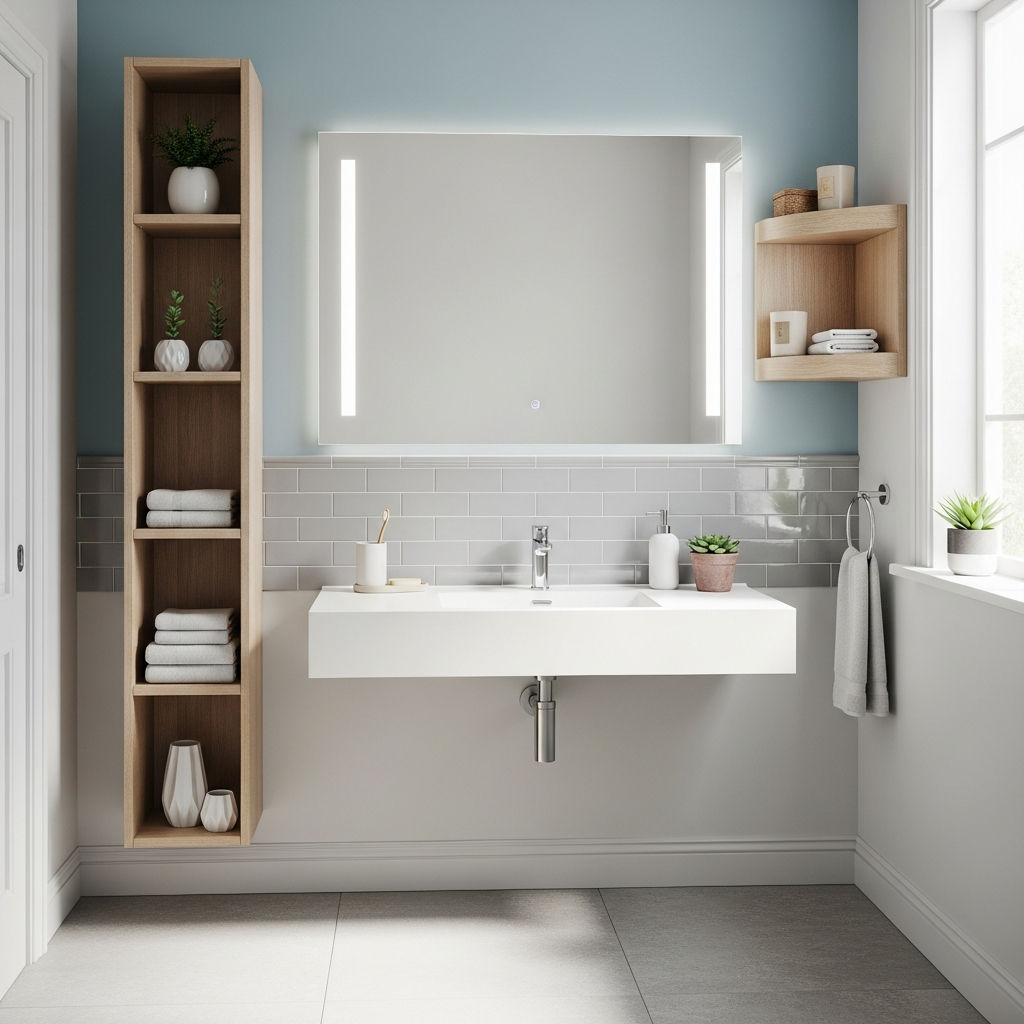
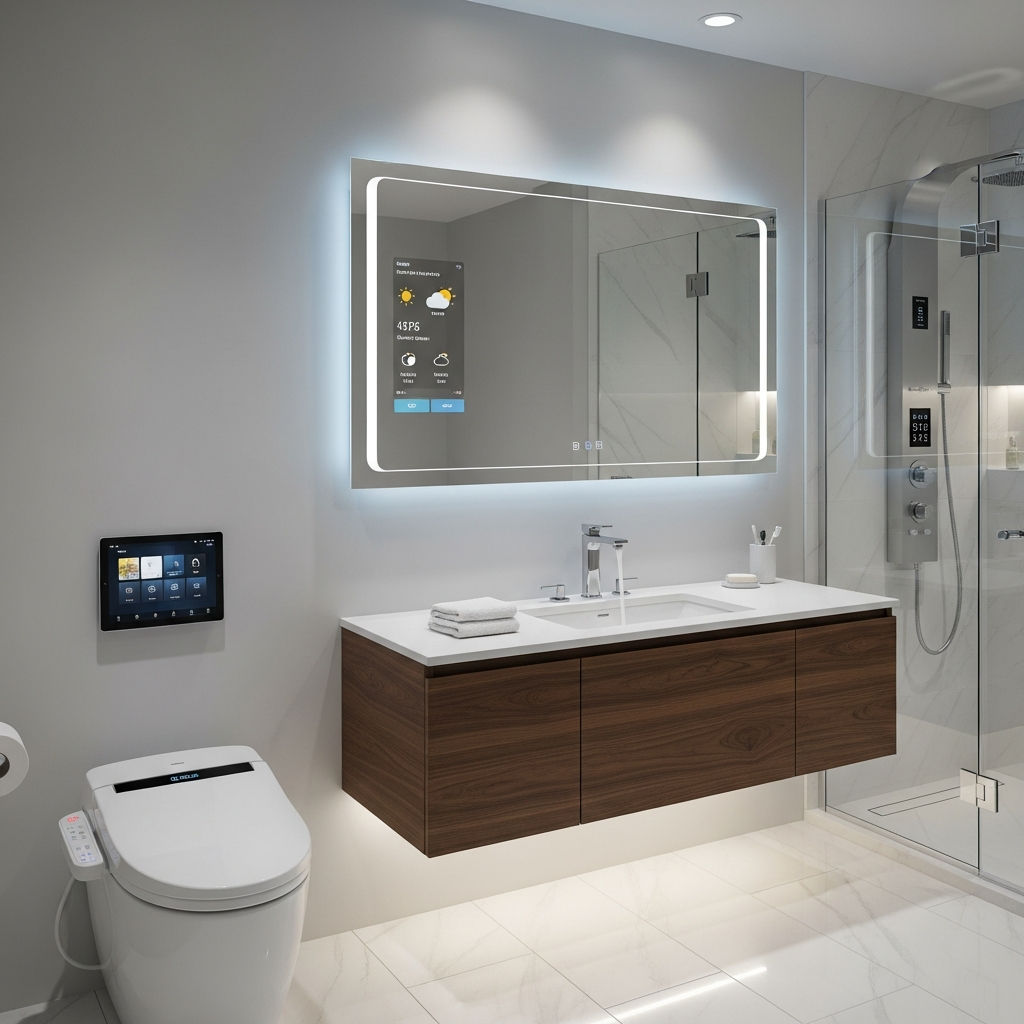
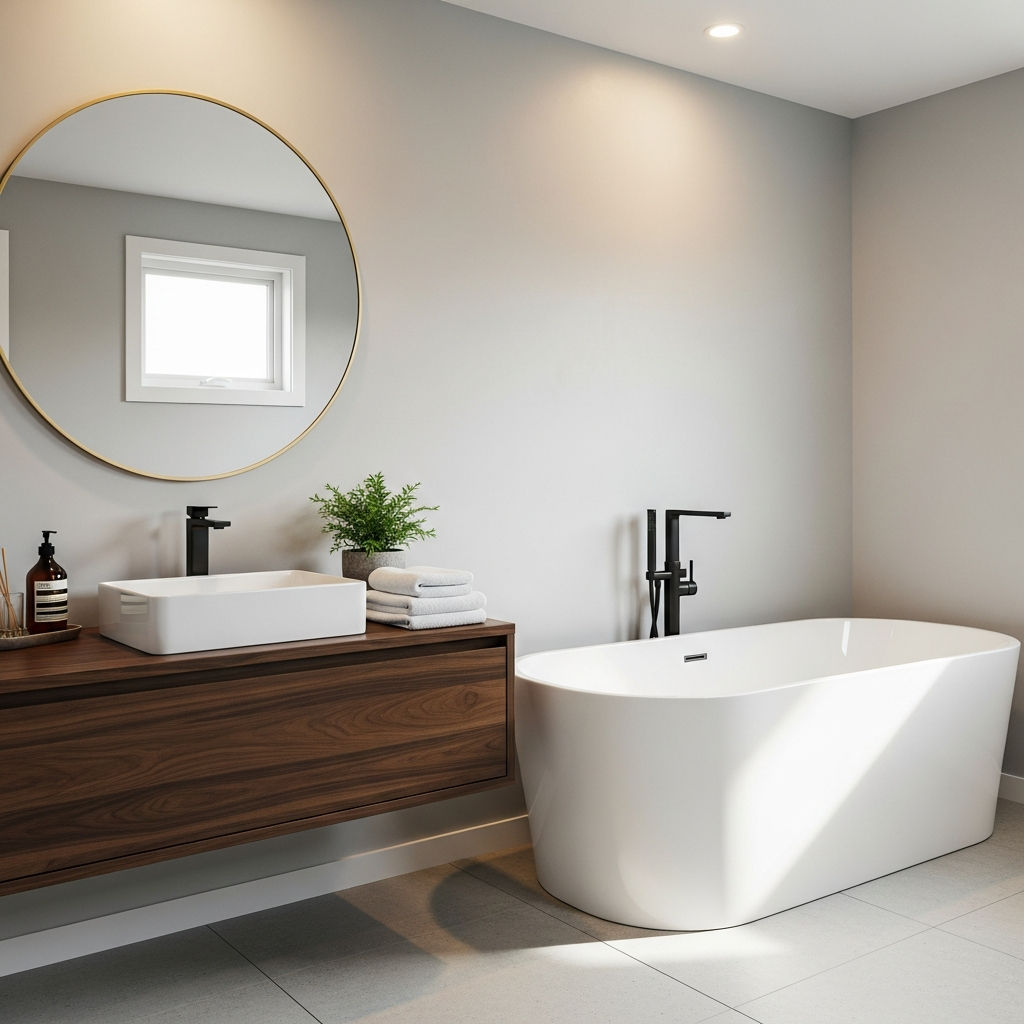
The Bathroom Checklist
- Grout and Caulking: Refreshing the grout can make an old shower look brand new.
- Fixtures: Upgrade to low-flow toilets and modern faucets to save water and modernize the aesthetic.
- Ventilation: Ensure your exhaust fan is powerful enough to prevent mold and mildew growth.
Phase 4: Exterior Upgrades and Curb Appeal
Your home’s exterior is the first thing guests and potential buyers see. Curb appeal sets the tone for the entire property.
Landscaping and Hardscaping
A well-manicured lawn, trimmed hedges, and fresh mulch can transform a yard. Consider adding a stone pathway or a deck to create an outdoor living space, which has become a highly sought-after feature.
Siding and Paint
A fresh coat of paint on the exterior or the front door can provide an instant facelift. If your siding is cracked or warped, replacing it can drastically improve insulation and appearance.
The Front Entrance
Replace old house numbers, upgrade your mailbox, and install modern exterior lighting. A stylish, secure front door is one of the best investments for both aesthetics and safety.
Phase 5: Interior Aesthetics and Comfort
Once the major systems and high-traffic rooms are addressed, focus on the details that make a house feel like a home.
Flooring Upgrades
Hardwood floors remain the gold standard for home value. If hardwood is out of your budget, high-quality luxury vinyl plank (LVP) offers a durable, waterproof, and stylish alternative that is perfect for families with pets.
Walls and Paint
Paint is the most cost-effective way to change the mood of a room. Neutral tones (whites, greys, and beiges) are best for resale, as they allow buyers to envision their own furniture in the space.
Smart Home Integration
Modernize your home by installing smart thermostats, video doorbells, and smart locks. These features are increasingly expected by Gen Z and Millennial homebuyers and provide everyday convenience.
Phase 6: Energy Efficiency and Insulation
Home improvement isn’t just about looks; it’s about performance. An energy-efficient home is cheaper to run and more comfortable to live in.
- Attic Insulation: Adding insulation to your attic is one of the most effective ways to reduce heating and cooling costs.
- Window Treatments: Use cellular shades or heavy curtains to help regulate indoor temperatures.
- LED Lighting: Replace all incandescent bulbs with LEDs. They last longer and consume significantly less energy.
Phase 7: The Seasonal Maintenance Checklist
Home improvement is an ongoing process. To protect your investment, follow this simple seasonal maintenance schedule:
Spring and Summer
- Service the AC unit before the heat hits.
- Clean the windows and repair any screen tears.
- Power wash the driveway and deck.
Fall and Winter
- Clean the gutters after the leaves fall.
- Check the furnace and replace filters.
- Test smoke and carbon monoxide detectors.
- Insulate outdoor pipes to prevent freezing.
Conclusion: Success Starts with the Checklist
Home improvement can be a daunting task, but it doesn’t have to be overwhelming. By breaking your projects down into manageable phases—planning, structural repairs, high-ROI rooms, and exterior maintenance—you can ensure your time and money are well spent.
Remember that the best home improvements are those that balance aesthetics with functionality. By following this powerful checklist, you are not just fixing up a house; you are building equity and creating a sanctuary for yourself and your family. Start with the most critical repairs, move to the high-impact rooms, and never underestimate the power of a fresh coat of paint and a well-maintained lawn. Happy renovating!